Double dumbstruck

Gassing up for the long commute.

“This heat’s not good for the brain. Turns out nothing much is good for the brain in the 2020s. TV rots it, the Internet turns it to jelly, the miserable climate bakes it, 90 percent of what we call ‘work’ is deliberately designed to actually erase the human brain; this has been proven. Podcasts: Now there’s a guaranteed way to reverse years of book-learning and social skills. There’s online gambling, TikTok … and then Queen Elizabeth II passed away and it was like a Bat-Signal in the sky to make everybody go extra double-dumb. … Only in Ireland did they seem to sort of be enjoying it all.” — Ken Layne, “Like a Hurricane,” Desert Oracle Radio

You said a mouthful, brother.

The news has been so relentlessly grotesque that I found myself double-dumbstruck, which is to say rendered speechless by astonishment while simultaneously catching a puck in the gob from a wildly flailing eejit.

The prospect of commenting on any of our ongoing Dumpster fires felt like pissing into the drinking water in Jackson, Mississippi — an enhancement, to be sure, but not a solution any sane person would swallow.

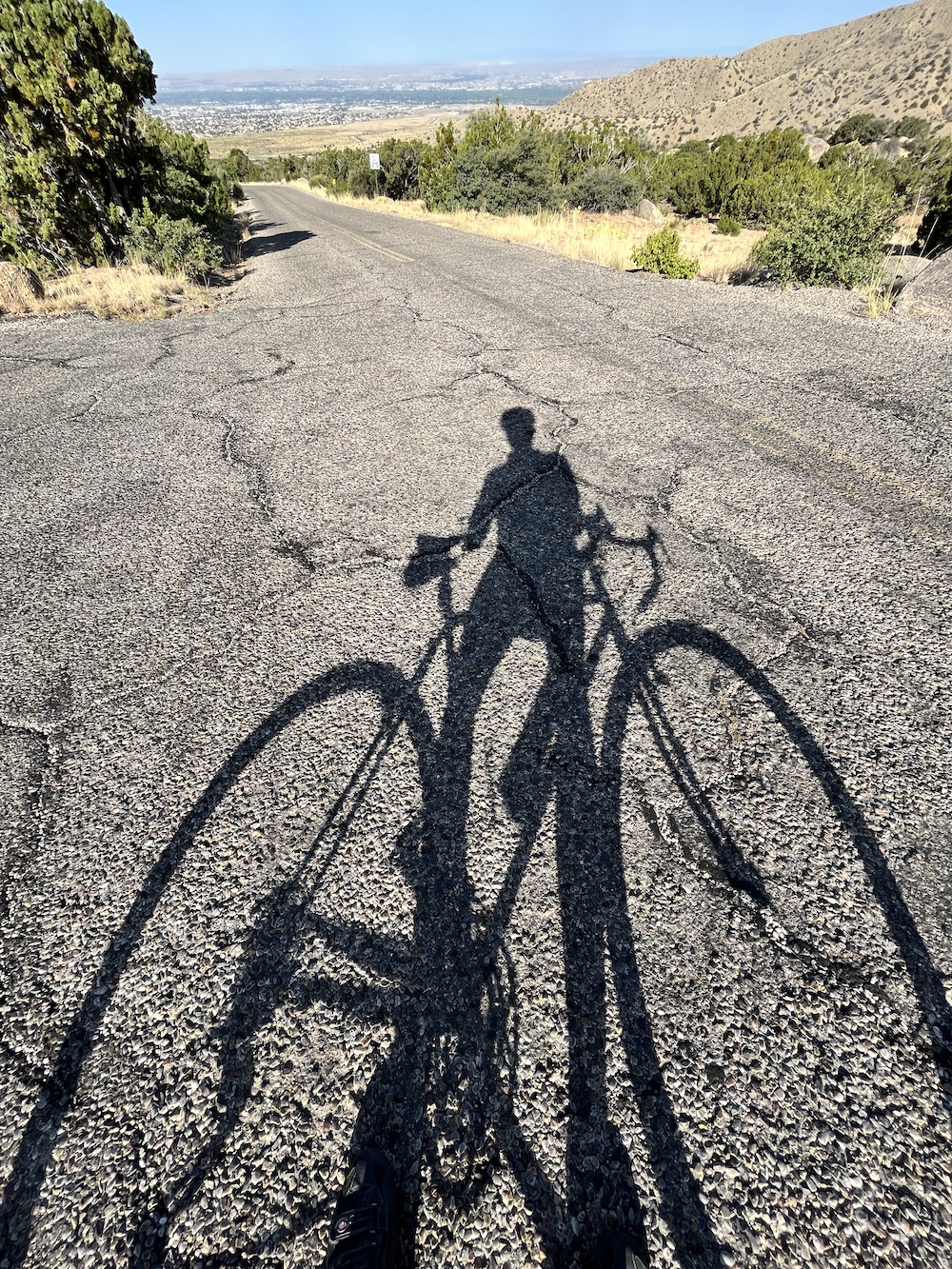
So I kept it zipped. Averted my eyes. Instead I watched the hummingbirds mobbing our feeders; the little buzzbombs will be leaving us shortly. Played with Miss Mia Sopaipilla, who remains extraordinarily kittenish for a 15-year-old cat. Rode the bike(s) — 130 miles last week, 140 this week.

With “Better Call Saul” in the rear view we branched out a bit in our evening TV-watching. I can recommend “Letterkenny,” (absurdly funny Canadians); “This Fool” (snarky South Central working-class vatos); “Belfast” (The Troubles through a child’s eyes); and “The Sandman,” derived, like “Watchmen,” from a high-gloss DC comic of which I had been ignorant.

• Honorable mention: “Funny Pages,” a bent coming-of-age story about a teenage cartoonist who gets an up-close-and-personal look at the subterranean bits of “underground comics.” Could be straight out of “Zap,” “Bijou,” or pretty much any other comic you read back when weed was still illegal. And yes, Your Humble Narrator recognized more than a few unsavory aspects of himself in this film.

What about literature, you ask? Check out a couple road-trippers on the ragged edge: the cabbie Lou in Lee Durkee’s “The Last Taxi Driver,” and the shaggy mercenary Will Bear in Dan Chaon’s “Sleepwalk.”

• Honorable mentions: “Night of the Living Rez” by Morgan Talty (his first book; dark tales of a Native community in Maine) and “Homesickness” by Colin Barrett (his second; darkly funny tales of the Irish at home and abroad).

If none of these diversions from the daily disaster does the trick for you, find a hummingbird to watch or a cat to play with.
When will it be Labor Day?

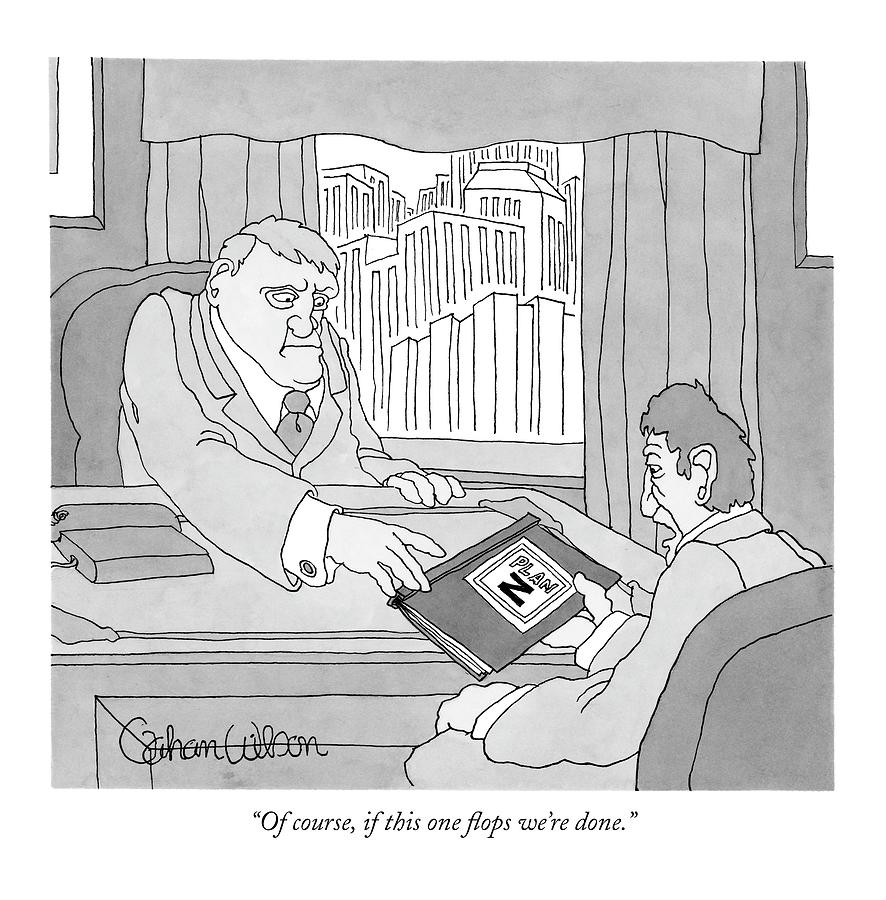
The late, great Gahan Wilson.

We never hear of Capital Day, not because Capital has no day, but because every day is Capital Day. The struggle in which we are now engaged will end only when every day is Labor Day.Eugene V. Debs, Labor Day 1903

It’s still Capital Day. For now, anyway.

At The Guardian, Douglas Rushkoff recounts his chat with a secretive group of super-wealthy dudes “preparing for a digital future that had less to do with making the world a better place than it did with transcending the human condition altogether.”

In short, they’ve grown tired of our sniveling about their shitting in our shared sandbox and wonder whether they might be able to dispense with us altogether.

Writes Rushkoff, a self-described humanist and Marxist media theorist who writes about the impact of digital technology on our lives:

Their extreme wealth and privilege served only to make them obsessed with insulating themselves from the very real and present danger of climate change, rising sea levels, mass migrations, global pandemics, nativist panic and resource depletion. For them, the future of technology is about only one thing: escape from the rest of us.

One of the capitalists’ main concerns centered on how to control their security people after The Event — “their euphemism for the environmental collapse, social unrest, nuclear explosion, solar storm, unstoppable virus, or malicious computer hack that takes everything down.”

Yep, that could be risky. A SEAL might grow weary of barking for fish from the plump, well-manicured pinkies of a plutocrat. How to get away from it all when you need to take a few of “them” with you?

What happens when Labor Day finally comes around for real?

R.I.P., Barbara Ehrenreich

She took what they were giving ’cause she was working for a living.

Barbara Ehrenreich, the journalist, activist, and author who never lost touch with her working-class roots, has clocked out. She was 81.

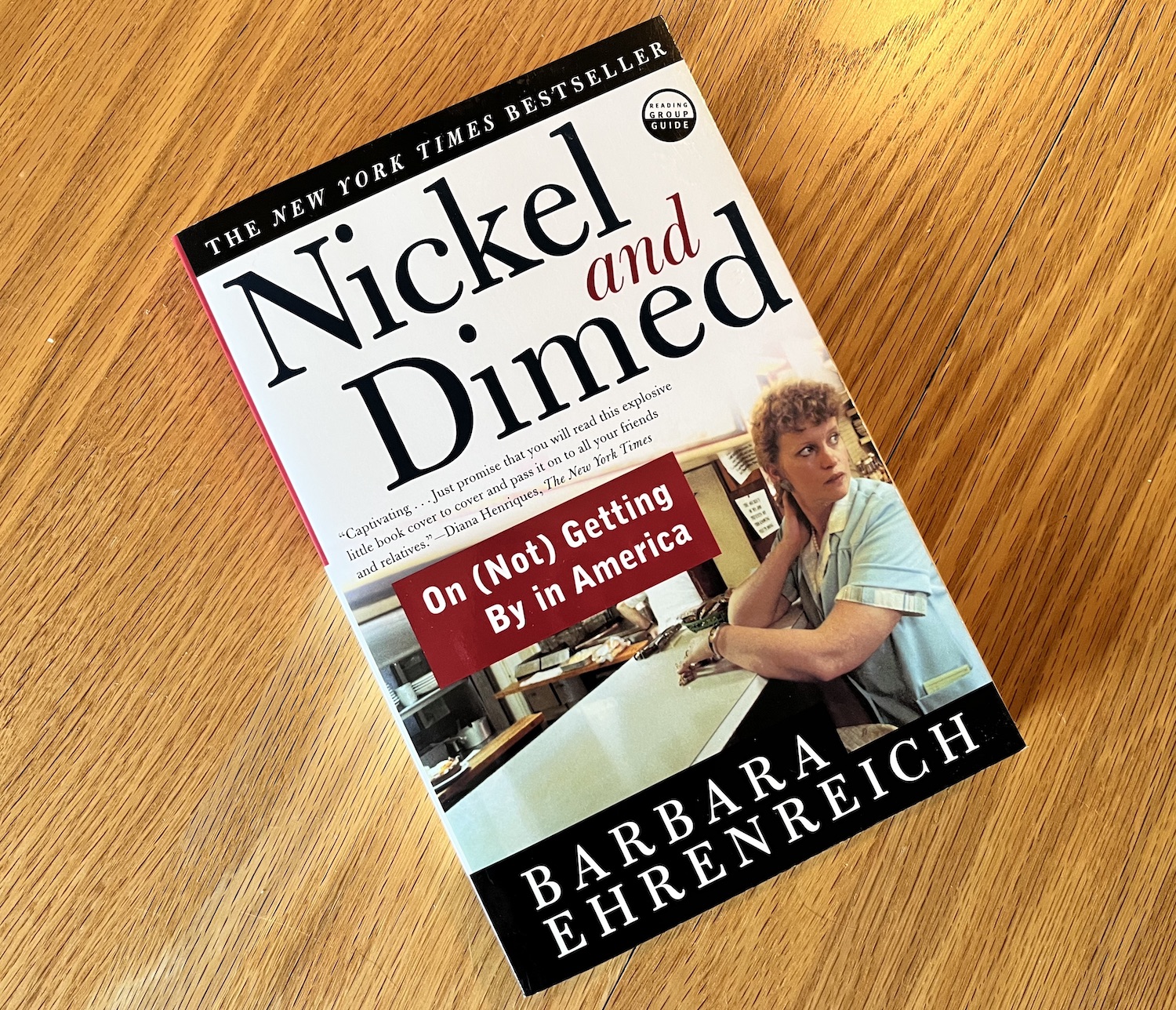
Her New York Times obit draws from the introduction to “Nickel and Dimed: On (Not) Getting By in America,” in which she recounts wondering with a magazine editor how the unskilled survive on the wages paid them and then blurting out something that she “had many opportunities to regret: ‘Someone ought to do the old-fashioned kind of journalism — you know, go out there and try it for themselves.'”

Which is exactly what Ehrenreich did, of course, working and living as a waitress, hotel maid, nursing-home aide, and Walmart “associate,” among other things. Then she came back and told us all about it.

And though she would be writing it up, she wasn’t phoning it in:

People knew me as a waitress, a cleaning person, a nursing home aide, or a retail clerk not because I acted like one but because that’s what I was, at least for the time I was with them. In every job, in every place I lived, the work absorbed all my energy and much of my intellect. I wasn’t kidding around. Even though I suspected from the start that the mathematics of wages and rents were working against me, I made a mighty effort to succeed.

She was not, and is not, alone. And in her Evaluation at the end of the book, Ehrenreich proposed that those of us who live in comfort while others barely scrape by should feel not just guilt, but shame.

When someone works for less pay than she can live on — when, for example, she goes hungry so that you can eat more cheaply and conveniently — then she has made a great sacrifice for you, she has made you a gift of some part of her abilities, her health, and her life.

What a gift was Ehrenreich’s life. Peace unto her, her family, friends, and readers.