Curtis Imrie goes west

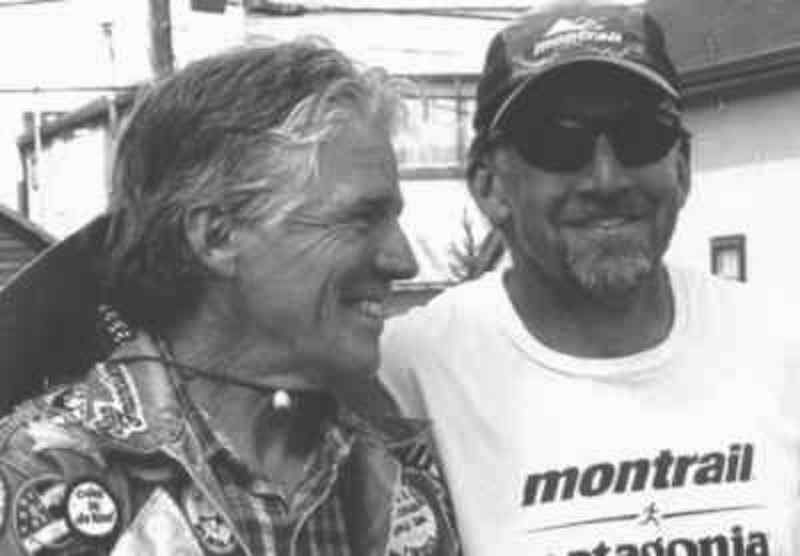
Curtis Imrie (left) and Hal Walter in a photo lifted from one of Hal's columns at Colorado Central magazine.
Curtis Imrie (left) and Hal Walter in a photo lifted from one of Hal’s columns at Colorado Central magazine.

Just when the Republic needs every man jack it can muster, one of the true wild ones, Curtis Imrie, has left us.

Longtime readers of the DogS(h)ite are familiar with my old friend Hal Walter; we’ve known each other for the better part of quite some time. But Curtis is the guy who introduced Hal to the manly Western art of pack-burro racing, and they were friends, rivals and friendly rivals for more than three decades.

As soon as Hal posts a proper obit, I’ll provide a link. Meantime, the long and the short of it is that Curtis Imrie was (among many other things) an actor, and while he played other roles — including that of the murdered Mountain Bike Hall of Famer Mike Rust — the part he was born to play was that of Curtis Imrie.

A scion of privilege (among his forebears was Robert S. Brookings, founder of the Institute for Government Research, which would become the Brookings Institution), Curtis drove a Triumph motorcycle across Europe and the USS Enterprise across the galaxy, and nearly got killed by a wandering 18-wheeler near the National Western Stock Show complex (where he finally did die almost exactly a dozen years later, reportedly of a heart attack, at age 70).

He worked in front of the mic at Salida’s KHEN-FM on Tuesday evenings; worked both in front of the camera and behind it on a movie that seemed to have no ending (and now never will); won the World Championship Pack-Burro Race at Fairplay three times; and ran quixotic campaigns for Congress from his ranch in the Upper Arkansas watershed nearly as often as he ran for the top of Mosquito Pass. That race, he never won.

Curtis was an honest-to-God, sure-enough character in a world of ciphers, devoted to democracy, donkeys and drama, a spiritual cousin to Ed Abbey, Doug Peacock, Ken Kesey, Thomas McGuane and the Pilgrim from Kris Kristofferson’s “The Pilgrim, Chapter 33”:

He’s a walkin’ contradiction, partly truth and partly fiction

Taking ev’ry wrong direction on his lonely way back home.

He’s gone back home now. Peace and comfort to the friends and family he left behind.

• Update: KHEN will host a live memorial tribute to Curtis beginning at 5 p.m. Salida time on Tuesday, Jan. 24. You can stream it at their website if you’re so inclined.

Leon Russell, R.I.P.

Leon's walk along the high wire is over.
Leon’s walk along the high wire is over.

We interrupt our discussion of the decline and fall in order to tip the Mad Dog top hat to Leon Russell, who like Leonard Cohen has gone west.

I heard him first as half of Asylum Choir, with guitarist Marc Benno. Then there was the Mad Dogs & Englishmen Tour with Joe Cocker, the Concert for Bangladesh with George Harrison, et al. Saw him perform once at Folsom Field in Boulder, and wow, what a show. Dude never really stopped playing — he would chat to the audience between songs, tinkling the ivories.

Here’s one of his most popular tunes, and one of my personal favorites. Damn, that Next World Orchestra just keeps getting bigger and better.


Hell sucks

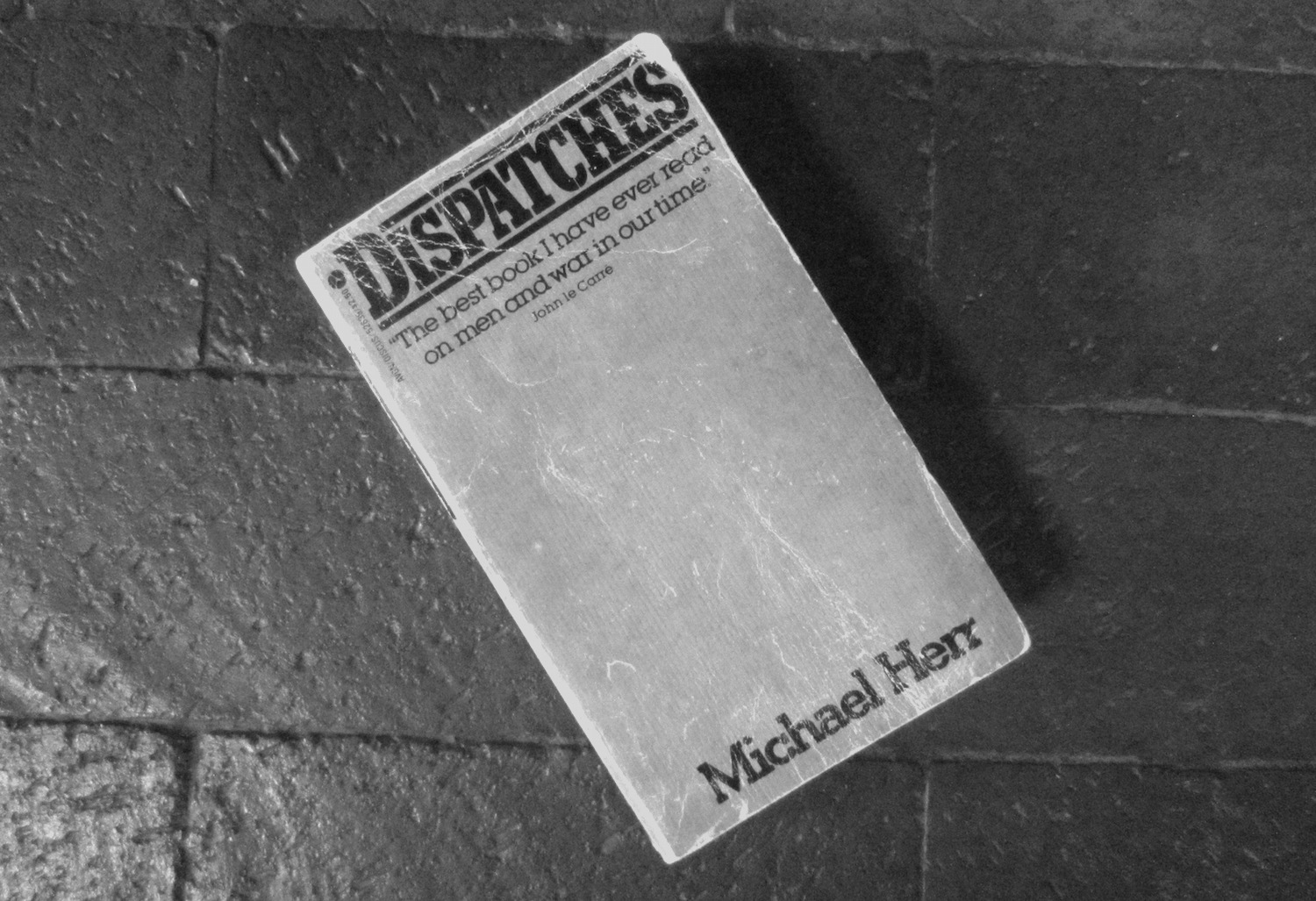
You may never have read "Dispatches" by Michael Herr, but chances are you've shared some of his experiences at the cinema, in "Platoon," "Apocalpyse Now" or "Full Metal Jacket."
You may never have read “Dispatches” by Michael Herr, but chances are you’ve shared some of his experiences at the cinema, in “Platoon,” “Apocalpyse Now” or “Full Metal Jacket.”

Michael Herr deserves his own post, if only for “Dispatches,” a work I’ve mentioned here before.

He went to Vietnam for Esquire, not for Uncle Sam, and he had to have a breakdown before he finished the book for which he would be best known.

If you saw “Apocalypse Now,” you’ve heard his work (he wrote the narration). You got some more of it in “Full Metal Jacket” (he wrote the screenplay with Gustav Hasford, author of “The Short-Timers,” for his friend Stanley Kubrick).

But “Dispatches” was the real deal. Seventies reportage from the scene, slightly fictionalized, deeply admired, by the king of Gonzo journalism, Hunter S. Thompson, and by me, too.

Rest in peace, Mr. Herr.

Extra-credit reading

“Hell Sucks,” which became part of “Dispatches,” reprinted in its entirety at Esquire.

“Breathing In,” also from “Dispatches,” excerpted by NPR.

• Herr’s New York Times obit.

A remembrance by Graydon Carter.

A 2000 interview in The Guardian by fellow war correspondent Ed Vulliamy.