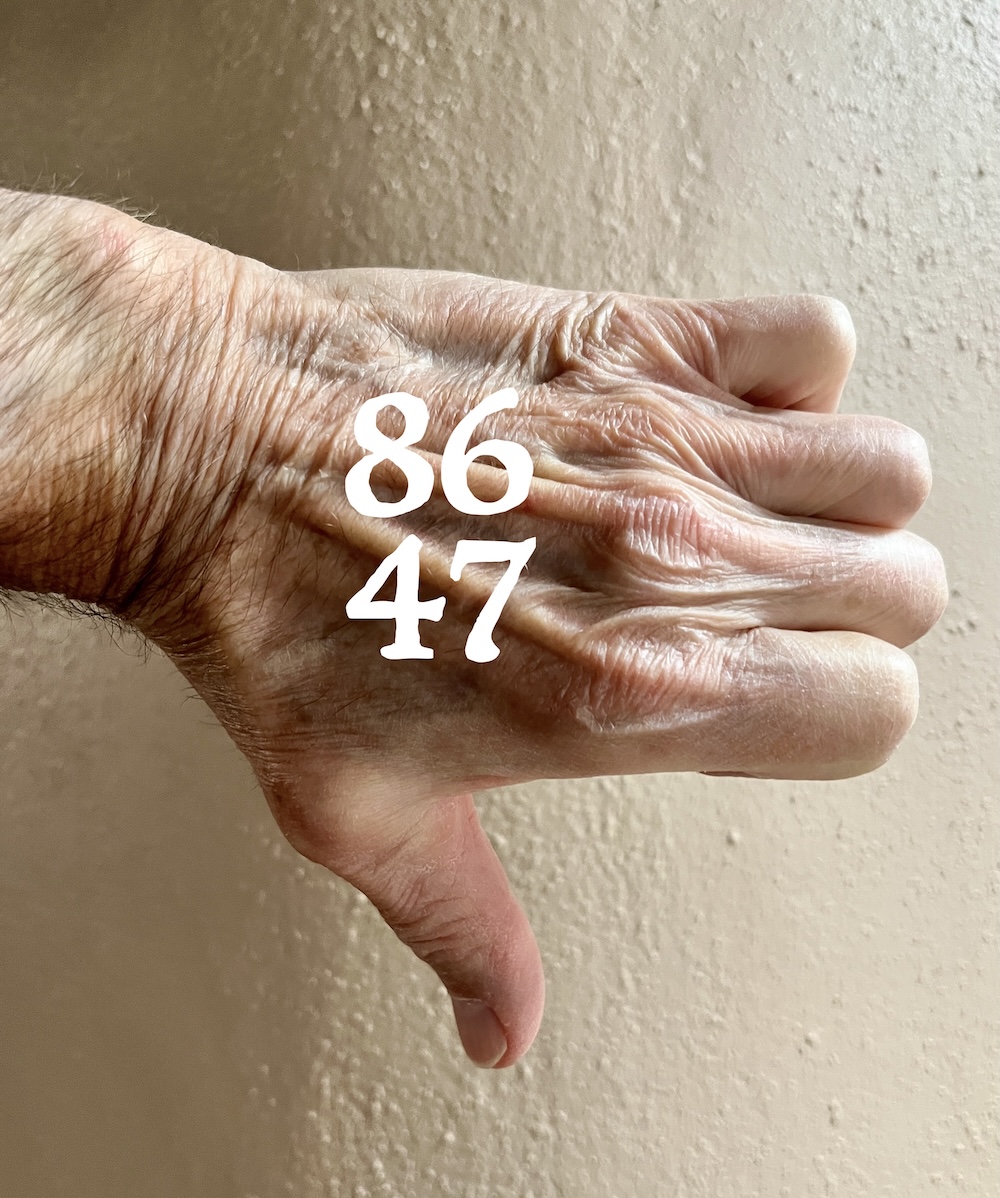
Tick, tock. …

Mooned again.

Here we are once more, not watching the clock tick down to midnight, knowing it will get there without us.
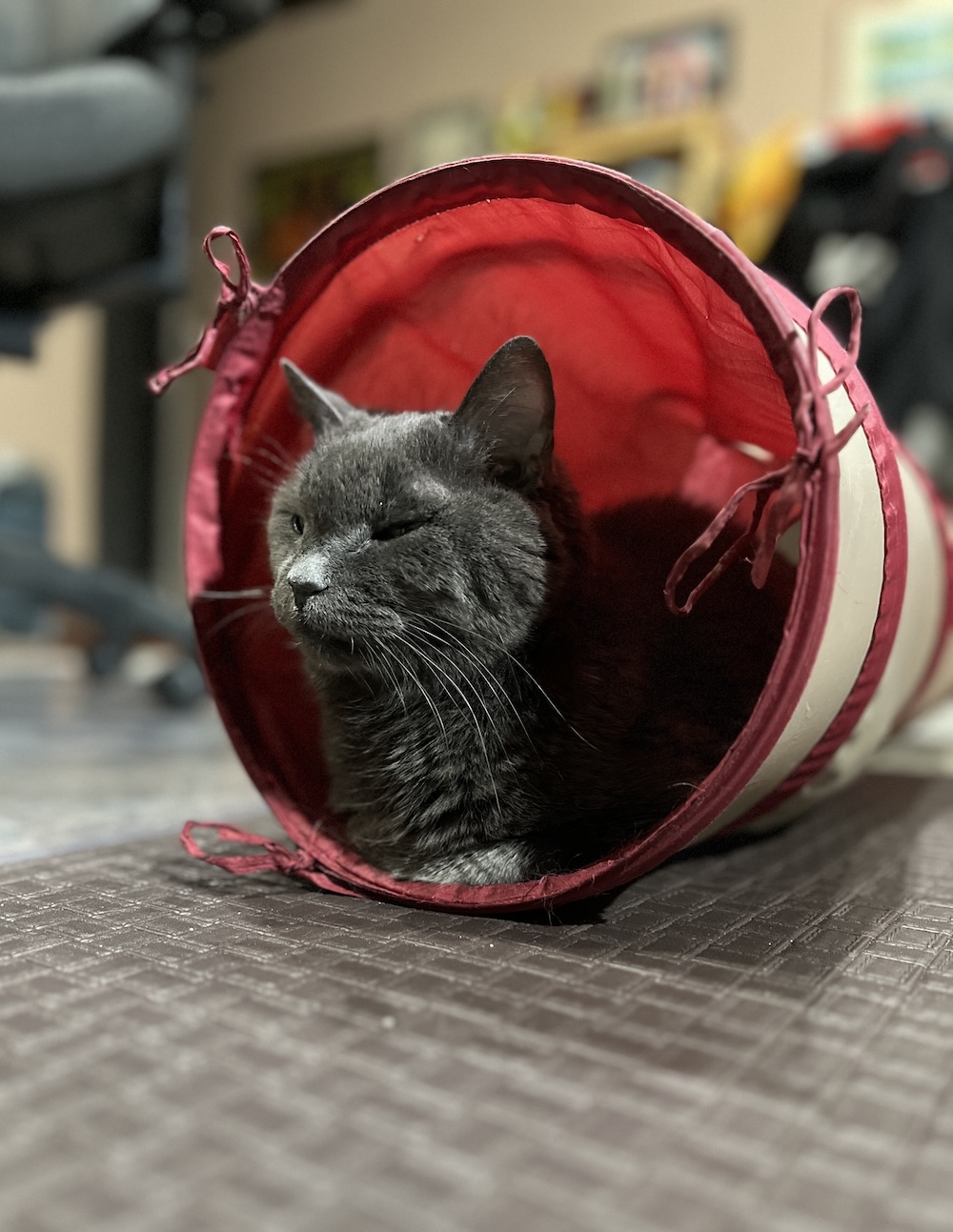
Mia sitting zazen.

It’s been a good long while since Herself and I stayed awake to greet the new year, and I see no good reason to break that streak this time around.

Impatient celebrants began setting off fireworks 7-ish, which set off the neighborhood dogs; sort of a bonus year-end racket. Miss Mia Sopaipilla remains unruffled, having developed a degree of hearing loss, and never being much frightened of anything anyway, not even the Turk, who could be very scary indeed depending on which one of the voices in his head had the conn at the moment.

Thus we take a page from “Braided Creek: A Conversation in Poetry,” by Ted Kooser and Jim Harrison:

The door to 2026 will swing wide directly. Until then, sláinte to all you cats who spent 2025 helping me fill up the old literature box, clawing the furniture and keeping your tails well clear of the rocking chair. See you next year.
Great minds

The luck of the (southern) Irish.

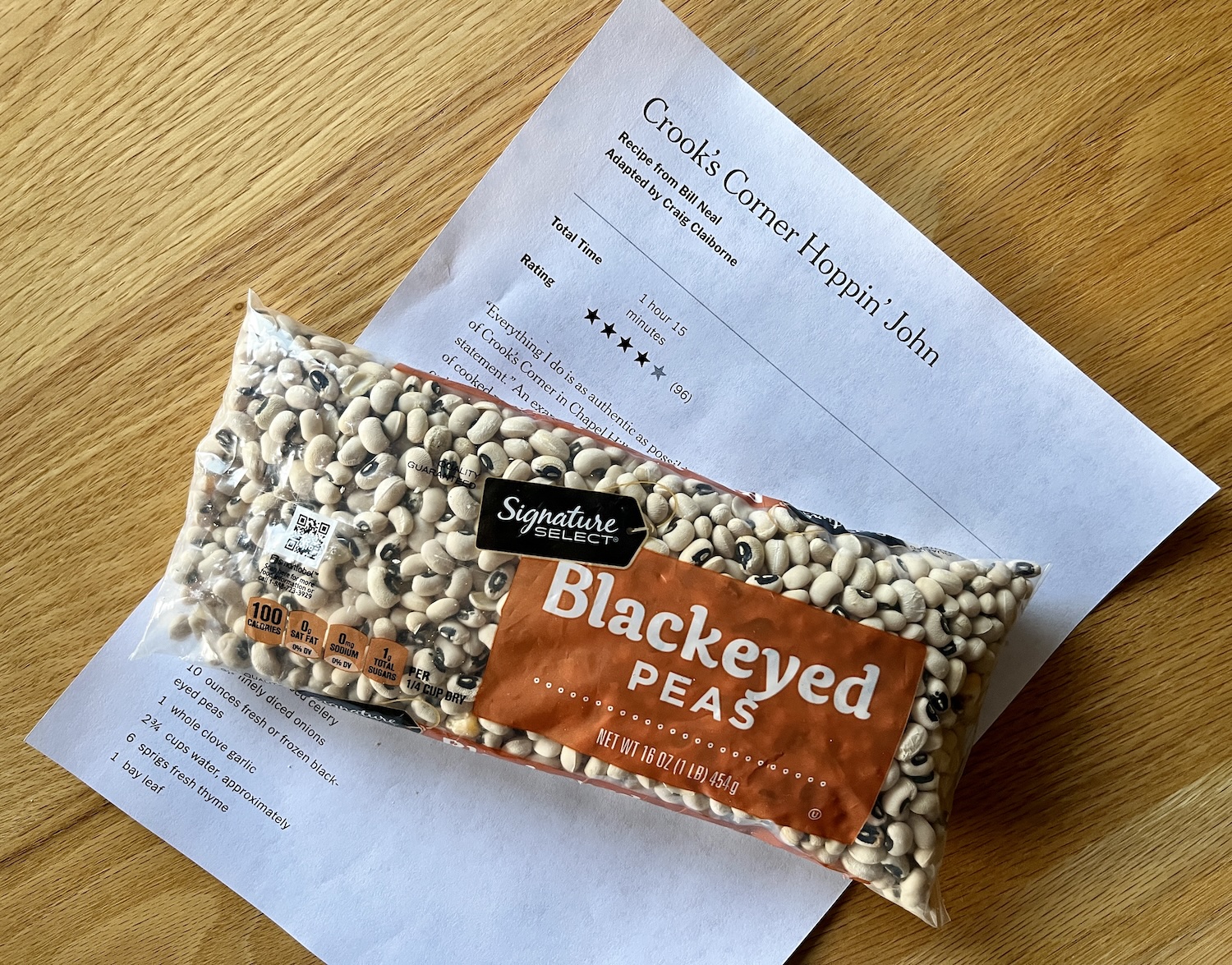
Rooting around the Innertubes for some New Year’s recipes I was congratulating myself on picking a couple of winners, both from The New York Times Cooking section, which by itself is worth the price of a subscription.

One was a simple Hoppin’ John recipe from Bill Neal of Crook’s Corner in Chapel Hill, N.C., as adapted by Craig Claiborne in 1985. The other was a jalapeño cheddar cornbread from Melissa Clark, the franchise player on my pro cooking squad.

But when I crowed about this to Herself I found she’d beaten me to the punch. She’d already found her own recipe and acquired the ingredients for it, too.

Good thing I shot off my big bazoo before heading for the grocery. We’d have been eating Hoppin’ John and cornbread from New Year’s right through St. Patrick’s Day.

Meanwhile, I had to quickly re-establish my primacy as tenzo of this zendo. Facing an economy of scarcity — a lack of fresh red grapes, which I dice up for the morning oatmeal — I displayed my resourcefulness in the kitchen, or “skillful means,” as defined by the late poet-gourmand and Zen student Jim Harrison, by locating a wrinkled honeycrisp apple in the crisper and chopping that up instead. In your face! as the sage Dogen has taught us.

Jimbo hated oatmeal. But he’s dead and didn’t have to eat any of it.

Orange crush

Happy Indigenous Peoples’ Day to Tommy Orange.

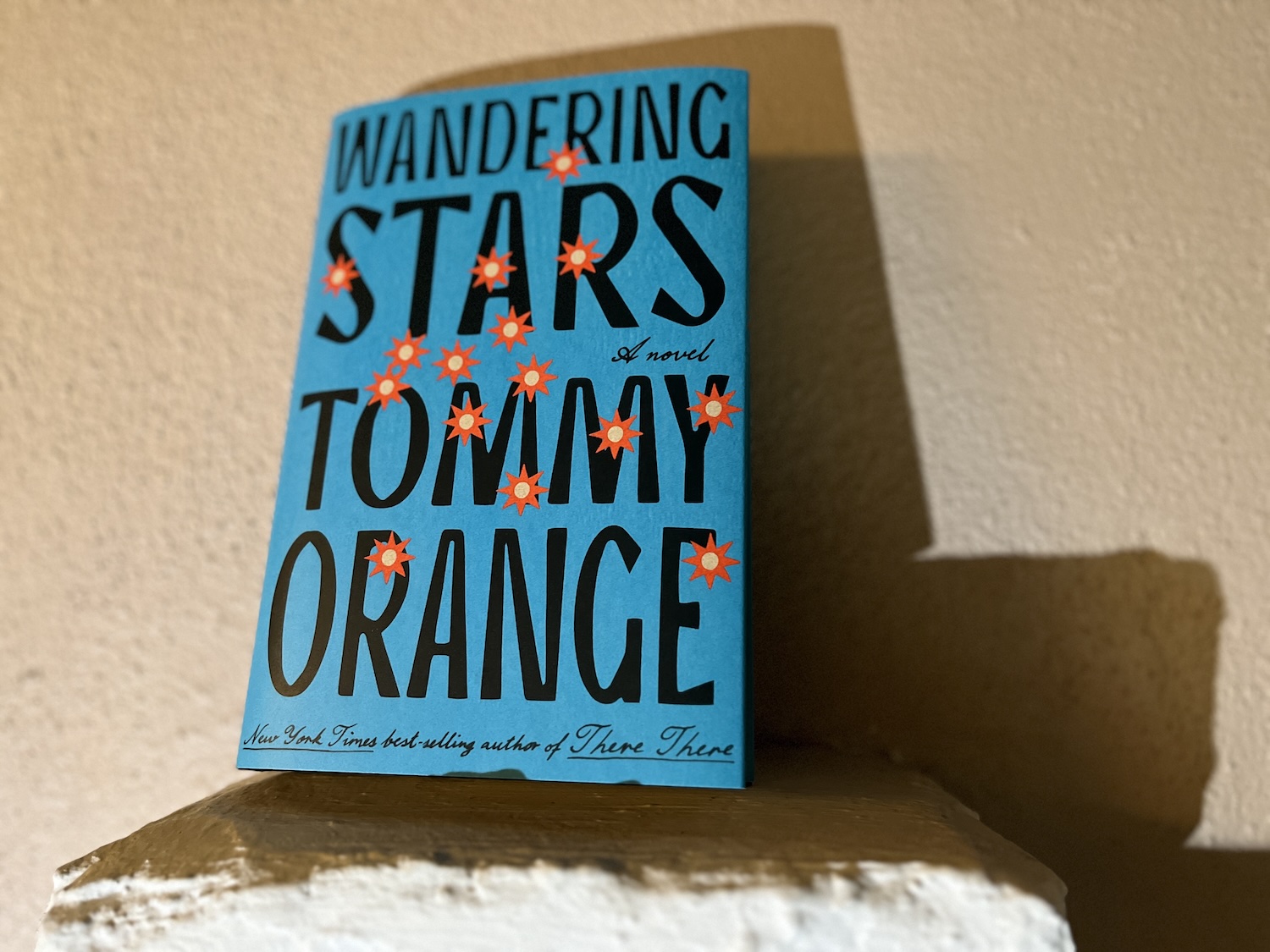
Since Tommy Orange scored himself a MacArthur Foundation award I’ve been rereading his 2024 novel “Wandering Stars,” the followup to his 2018 breakout hit “There There.”

The MacArthur people call it both “a sequel and a prequel” to the previous work, and it’s not a lazy bedtime read. The first pass through I found myself speedreading it, a vile habit I can’t seem to shake. It’s like driving the interstate instead of William Least Heat-Moon’s blue highways. You get where you’re going, but you miss a lot of scenery.

Now I’m taking my time and enjoying it more. Orange, a native of Oakland, Calif., and an enrolled member of the Cheyenne and Arapaho Tribes of Oklahoma, covers a lot of territory as he takes us back and forth in time, from the Sand Creek Massacre of 1864 to the echoes of the climactic gunfire in “There There.”

With one eye on another orange tale-teller I found one passage particularly apt for Indigenous Peoples’ Day.

Opal Viola Bear Shield, who is on the lam for a number of reasons — no spoilers here, read the book — is giving her unborn child a Cheyenne perspective on dogs, white people, and bloodlines (the child’s father is half white, and a white family’s dog, Cholly, is on the lam with them).

He’s one of these mutts you don’t know what kinds of breeds are in him and you don’t much care because he seems all his own in the eyes. Well he’s only got the one eye, but it’s got more life in it than I’ve seen in some men with two. And I’ve seen worse men than those with no life in their eyes. It’s worse when they know what they want and they’re hungry for it, white men in this country, they come to take everything, even themselves, they have taken so much they have lost themselves in the taking, and what will be left of such a nation once they are done?