It’s bleakly amusing that The New York Times water scribe is named Henry Fountain.
And that’s about the only giggle in the “news” that we’re draining the Colorado River like a parched gaggle of Draculas tapping a hot blonde while not doing much to answer the question, “Why does the Southwest have so many vampires working out on this one skinny gal?”
It should go without saying that when you’re long on bloodsuckers and short on arteries you’re gonna start running a deficit. Is it too late to hit the Home Depot for a shitload of wooden stakes and hammers?
And yes, I know, having spent much of my life bouncing around four of the states that draw water from the Colorado River, that I am part of the problem. What can I tell you? I am a creature of the desert, known to howl at the moon of an evening.
Between the levees, the river in 2022 has begun drying in the Albuquerque reach for the first time in four decades, as we grind through the summer of our third consecutive terrible spring runoff. By one measure I’ve been using, this is the worst three-year stretch here since the drought of the 1950s.*
*When Your Humble Narrator was hatched.—Editor
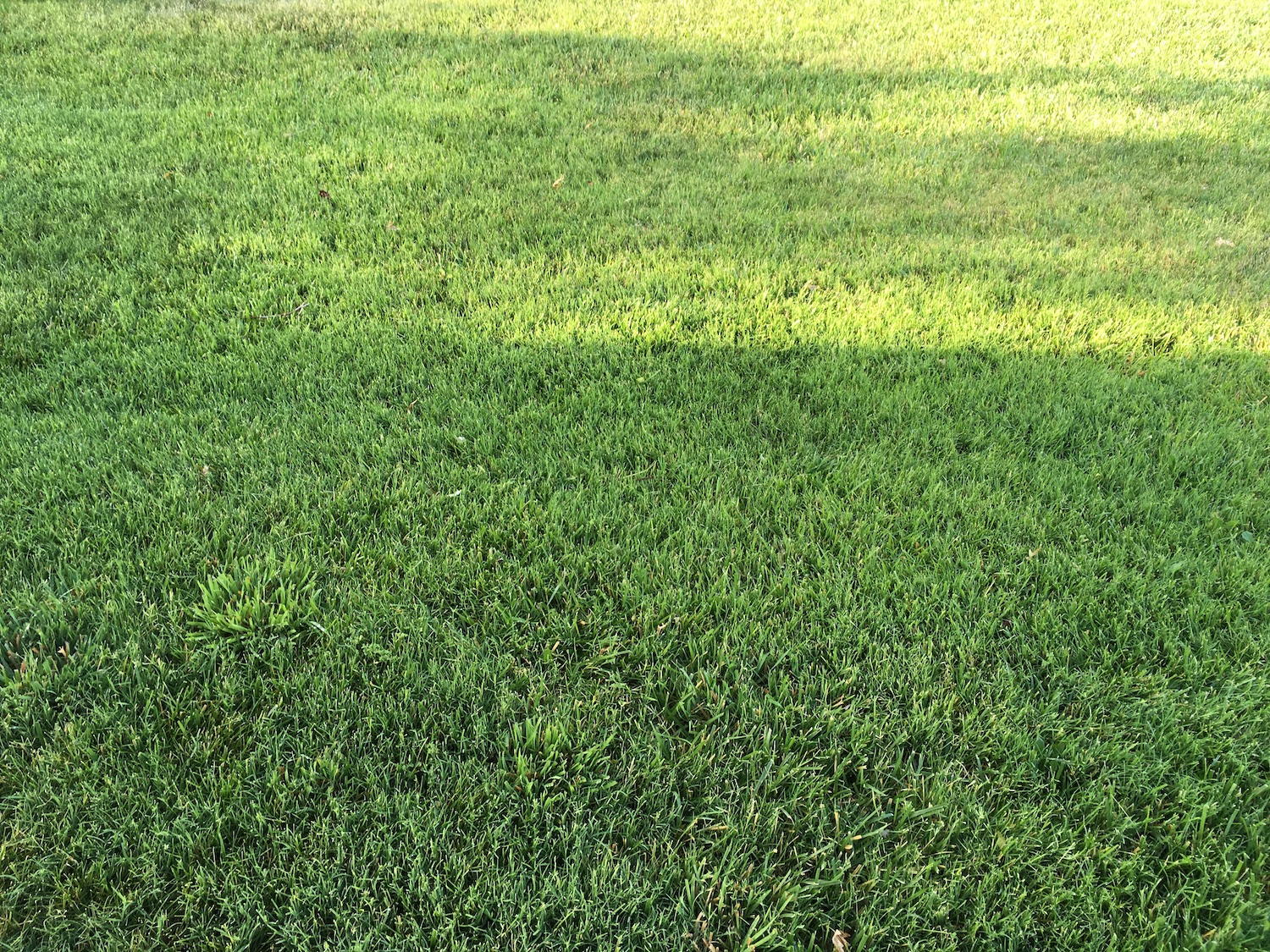
Now, some of that green in our lawn pictured above is courtesy of the 2022 monsoons, which are supposed to resume this week. But a lot of it came spritz-spritz-spritzing out of our sprinkler system earlier in the year, when the sun was doing its Death Star thing on our back yard.
I guess even a dumb dog can see a Milk-Bone by daylight. Because Herself and I have agreed it was long past time we engaged a landscaper, and today she picked up the phone.
We’re gonna rock out, is what. If we absolutely have to have grass we can get it from the cannabis shops like everybody else.
This started out smelling like rain, but what did we get? Nothing but heartache.
They promise rain, but all we get is fire.
The North American Monsoon is a couple of days late. And I expect a few long-haul truckers may be running behind schedule too, with a 30-acre brush fire closing eight miles of Interstate 40 westbound, from Zuzax to Carnuel, and the eastbound lane of NM 333 from Tramway to Tijeras.
The thing lit up 5-ish yesterday evening with a real stiff wind from the east, and here at El Rancho Pendejo we could see aircraft trying to piss it out, so as the crow and/or smoking ember flies it was a good deal closer to home than we like. Many local roadies, among them Your Humble Narrator, get their kicks on NM 333, a.k.a. Old Route 66.
We had gotten a whole bunch of not much in the way of journalism about the fire by bedtime last night — a paywall from the Journal and a couple drive-bys from the TV people — so, after checking New Mexico Fire Info a few times we decided to roll the dice and hit the rack.
Today we awakened to another warm, dry morning and very little in the way of news about our neighborhood scorcher. There’s some confusion about whether I-40 is open again, but it seems certain that 333 is a no-go this morning as a bridge and power lines get a look-see.
The good news is that the monsoon is back on the menu today. It goes without saying that we will believe this when we see the blessed water falling from the skies. Who knows? The local journos might even give it a writeup.
The weather wizards were talking a double-digit possibility of a sprinkle yesterday. But talk don’t water the cacti, son! What we got was nada, and plenty of it.
Our Acu-Rite widget claims we last got precip’ on March 30, a whopping 0.14 inch, but I don’t remember that. My training log mentions rain on March 22, and after that, bupkis.
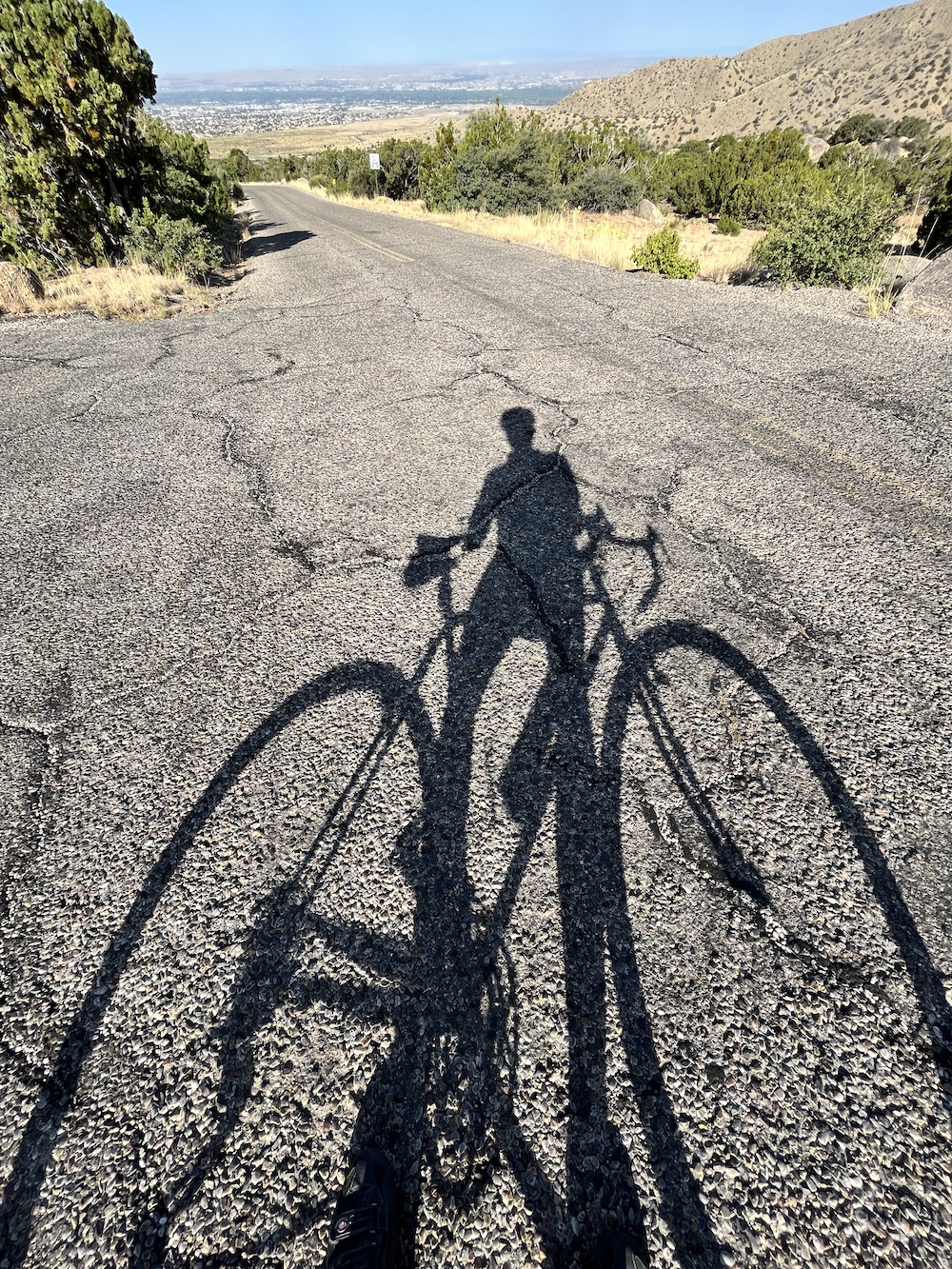
Riding my bike to a meeting with folks trying to figure out how to cope with climate change seemed appropriate signaling, but mainly bikes are fun, as my friend Charlie likes to say, and I pretty much ride mine everywhere I can.
After the meeting, I took the long way home, which involved a dirt trail through the riverside woods along Albuquerque’s reach of the Rio Grande. It was shady and cool on a hot afternoon, but the glimpses of the river were painful. Sometime around midday flow dropped below 300 cubic feet per second, which probably means nothing to most everyone, so I’ll put it this way – it’s just a hair above one tenth of the normal flow for this time of year.
Yow.
Southern California is restricting water use for 6 million people, and I would not be surprised to see our local water coppers taking measures before much longer. I’ve spotted a flotilla of Albuquerque-Bernalillo Water Utiility Authority vehicles cruising the Foothills lately, and they can’t all be meter readers.
Even Arizona is contemplating a “new normal,” though the last I looked the thinking was running very far afield indeed, from desalinization projects in Mexico to pumping water from the Mississippi Basin rather than restricting use of a diminishing supply.
Meanwhile, as the wind blows and the temperature rises, while the swamp coolers begin to bubble and air conditioners to whir, the power grid seems to be a few watts shy of the load.
Phrases like “rolling outages” and “worst-case scenarios” are getting tossed around as neighboring grids find they have no spare power to share and the aforementioned shortage of our old pal water threatens hydroelectric generation. And the buck stops … uh, where, exactly?
“The problem is there is nobody in charge,” said M. Granger Morgan, a professor of engineering at Carnegie Mellon University. The national power grid, he said, is a patchwork of regional systems designed to be guided by market demand in each area. Federal regulators have limited authority over it, and many states have constrained their own power to manage energy resources as part of a deregulation push that took hold in the 1990s.
“We don’t have the national regulatory arrangements and incentives in place to implement this energy transition in a coherent and rapid-enough manner,” Morgan said.
Oh, good. For a second there I thought we might be in trouble.