I neglected to post something yesterday about Veterans Day, thinking I didn’t have anything fresh to say, and finding the outpouring of social-media thank-yous to the military slightly irksome. I never served, but if I had, I expect I might not enjoy being pandered to any better than I would being ignored.
Like Charles P. Pierce, when I was a squirt I didn’t know anyone whose father was not a veteran. Since the old man was career Air Force, we mostly knew the kids of Blue Zoomies, but in the course of affairs we would meet others; sons and daughters of soldiers, sailors, Marines.
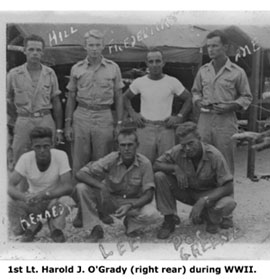 We’d hear the tales secondhand (none of the dads I knew bragged to kids about his service, so the kids bragged for them). This one was at Omaha Beach, that one at the Battle of the Bulge; this one got shot down in a B-29 after bombing Tokyo, that one flew unarmed Gooney Birds out of New Guinea.
It all sounded really cool, especially while consuming a steady diet of war movies at the base theater, like “The Longest Day,” “The Dirty Dozen,” or “PT 109.” And then we got a little older, and a little smarter, and we came to realize that going to war involved a strong probability of getting one’s arse shot off.
We realized that we never got to hear kids tell about their dads who didn’t make it back, because those kids died unborn with their would-be fathers, figments of an unrealized imagination. And we didn’t get to hear about the men who returned from war damaged in body, mind or spirit, or meet them; not until our own war, Vietnam, came along.
Books like “All Quiet on the Western Front” took on new meaning. And there were others, like “Dispatches,” by Michael Herr; “A Rumor of War,” by Philip Caputo; and “Everything We Had,” by Al Santoli.
In “Narrow Road to the Interior,” Japanese poet Matsuo Bashō (1644-94), following a visit to the ruins of Yasushira — and riffing off a line from the Chinese master Tu Fu about how war had left “the whole country devastated,” a place where “only mountains and rivers remain” — wrote:
Summer grasses:
all that remains of great soldiers’
imperial dreams
In “The Poetry of Zen,” co-author Sam Hamill calls this poem “a brilliant indictment of the stupidity and cruelty of war,” one that reminds us how little we have learned over the millennia. How does one say “Thank you for your service” to the grass?
By seeing to it that subsequent generations get to spend as much time as is humanly possible enjoying the sunny side of it, I suppose.
Peace to those to served, and especially to those who never came home.

 Mad Blog Media