Awk!tober

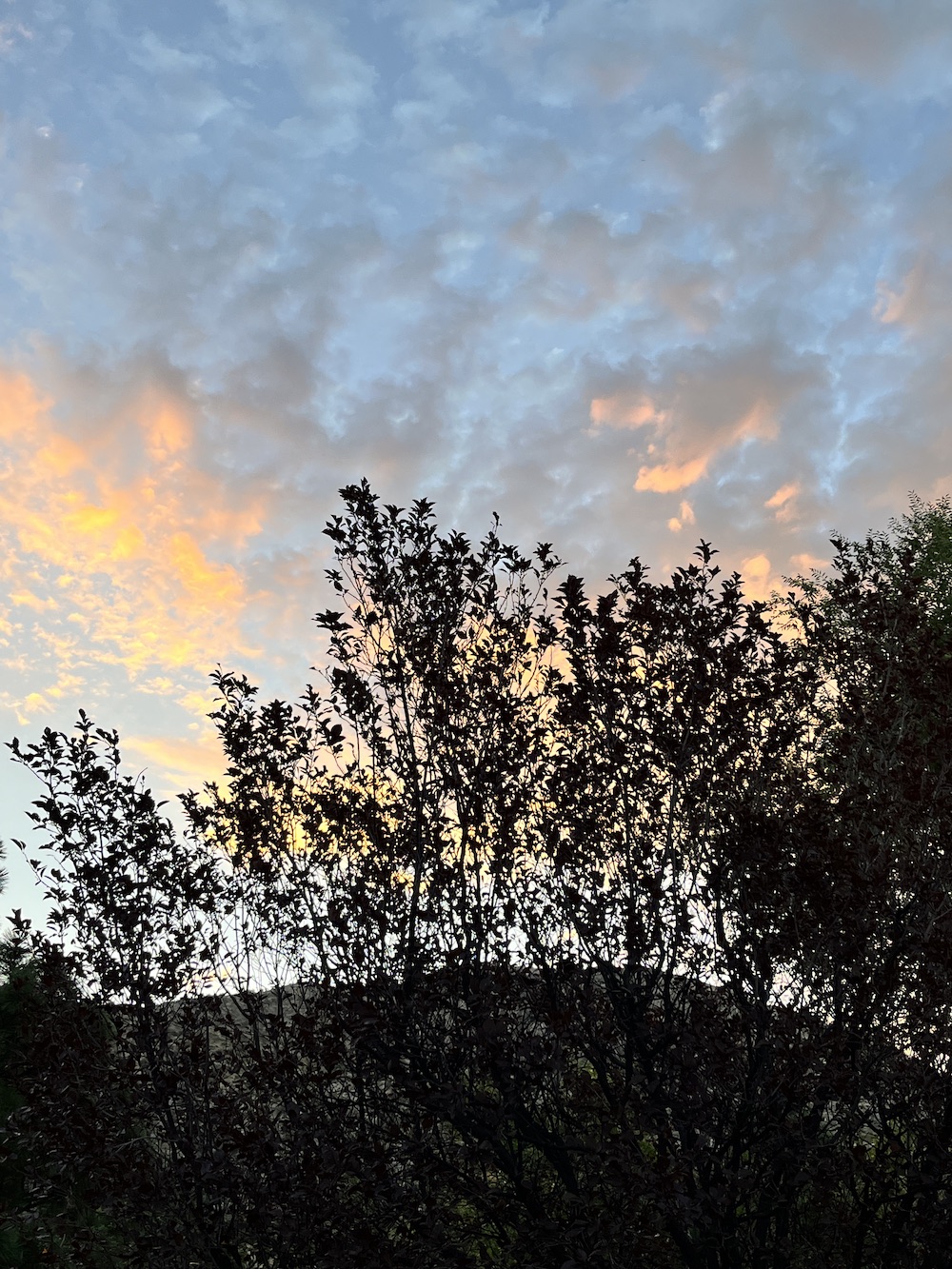
Cloud cover, Duck! City style.

Ninety-three yesterday as the last day of September dragged its sweaty arse into the National Weather Service record books.

Anyone who got out early yesterday had nothing to complain about. Come to think of it, anyone who got out late, well, likewise.

The Rio wasn’t snaking its way up the drainage channels to snatch up our kinfolk, pets, and proud-ofs. We are light on natural disasters here at the moment, barring the odd pedestrian getting run over by three (!) vehicles, one woman going after another with an ax, and the city council considering guidelines for artificial intelligence, when the real thing seems to be in such short supply.

We may have a spot of wind that will set us to dashing around the foothills chasing our lawn furniture, which we have not been using because mosquitos, which will be chasing us around the foothills, and so on and so on and scooby-dooby-doo-bee.

At least it gets you out in the open air. Like crucifixion.

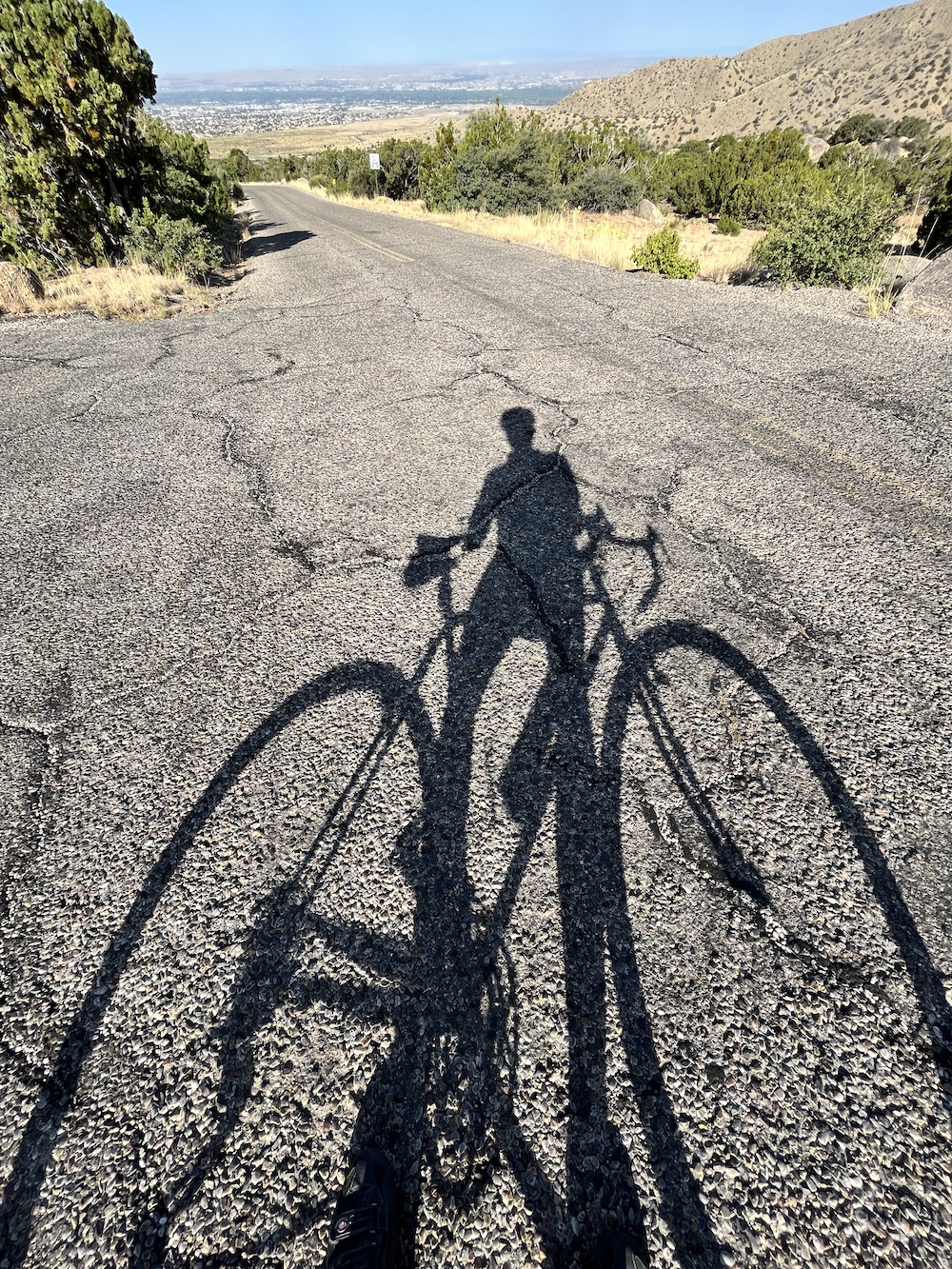
Meanwhile, a former colleague at Bicycle Retailer and Industry News reports that he and the fam’ are OK in Black Mountain, N.C., save for the lack of “water, internet, cell coverage or landline.” They have a propane generator that supplies electricity — as long as the propane lasts — and while driving is impossible due to downed trees and flooded roads, cycling is not. Stay high and dry, Dean.

Another former bike-industry bro in South Carolina says via text that he too is rocking a generator for power. The water is on, and he has plenty of grub, but the gas “is a bit tricky” and “cold showers suxxxx.” Word, TC.

The Shit Monsoon. They say the job isn’t over until the paperwork is done, and this one took more than the one roll.

I’ve only ever been a spectator at this sort of thing. Back in the late Seventies I got yanked off the Gazette copy desk to help cover the aftermath of a freak tornado that walloped Manitou Springs. And in Colorado we had to keep an eye peeled for fires.

One within eyesight of our shack in CrustyTucky had me scouting a back way off our one-road hillside. Another in Bibleburg had us taking in refugees.

Lucky for us, the worst we ever had to deal with was the occasional four-foot snowfall, power outages, and the fabled Shit Monsoon of song and story.

That was pretty crappy (rimshot). About like having a circus elephant with a crook gut let fly in the basement. But at least we still had power, water, and food … though our appetites were not up to snuff for a while.

I mean, c’mon. The place smelled like canned farts.

• Meanwhile, speaking of shitstorms, it’s been a while since I thumbed through the Book of Revelation, but it seems The New York Times is reprinting it in modern lingo.

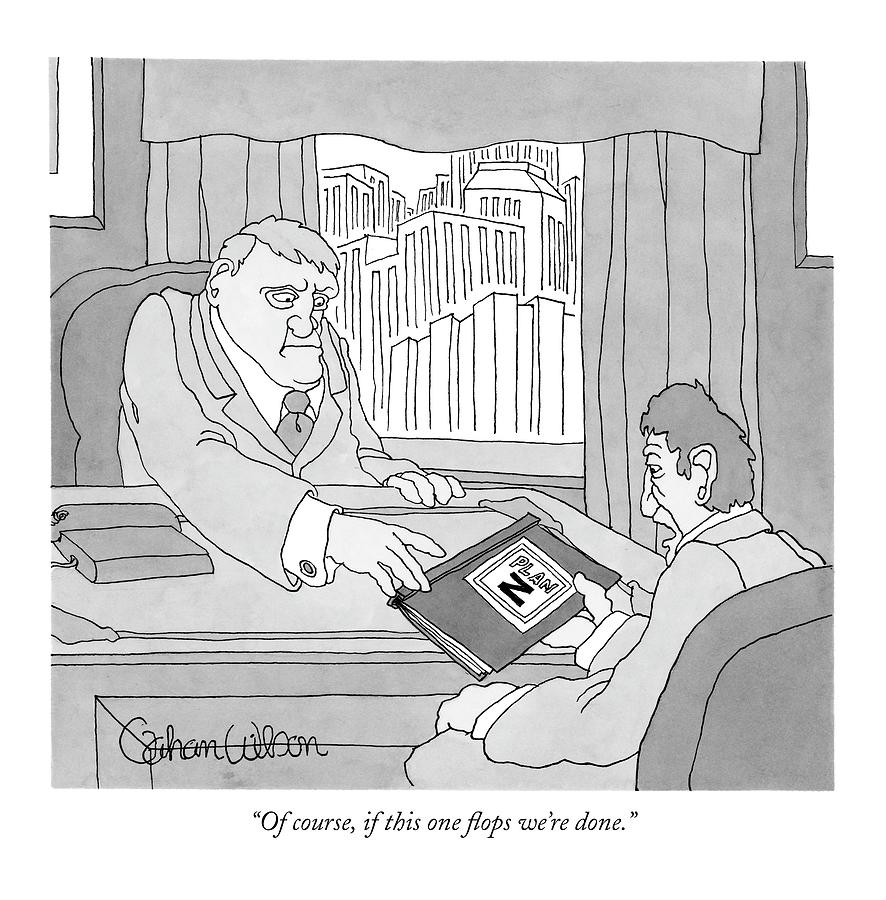
When will it be Labor Day?

The late, great Gahan Wilson.

We never hear of Capital Day, not because Capital has no day, but because every day is Capital Day. The struggle in which we are now engaged will end only when every day is Labor Day.Eugene V. Debs, Labor Day 1903

It’s still Capital Day. For now, anyway.

At The Guardian, Douglas Rushkoff recounts his chat with a secretive group of super-wealthy dudes “preparing for a digital future that had less to do with making the world a better place than it did with transcending the human condition altogether.”

In short, they’ve grown tired of our sniveling about their shitting in our shared sandbox and wonder whether they might be able to dispense with us altogether.

Writes Rushkoff, a self-described humanist and Marxist media theorist who writes about the impact of digital technology on our lives:

Their extreme wealth and privilege served only to make them obsessed with insulating themselves from the very real and present danger of climate change, rising sea levels, mass migrations, global pandemics, nativist panic and resource depletion. For them, the future of technology is about only one thing: escape from the rest of us.

One of the capitalists’ main concerns centered on how to control their security people after The Event — “their euphemism for the environmental collapse, social unrest, nuclear explosion, solar storm, unstoppable virus, or malicious computer hack that takes everything down.”

Yep, that could be risky. A SEAL might grow weary of barking for fish from the plump, well-manicured pinkies of a plutocrat. How to get away from it all when you need to take a few of “them” with you?

What happens when Labor Day finally comes around for real?

R.I.P., Barbara Ehrenreich

She took what they were giving ’cause she was working for a living.

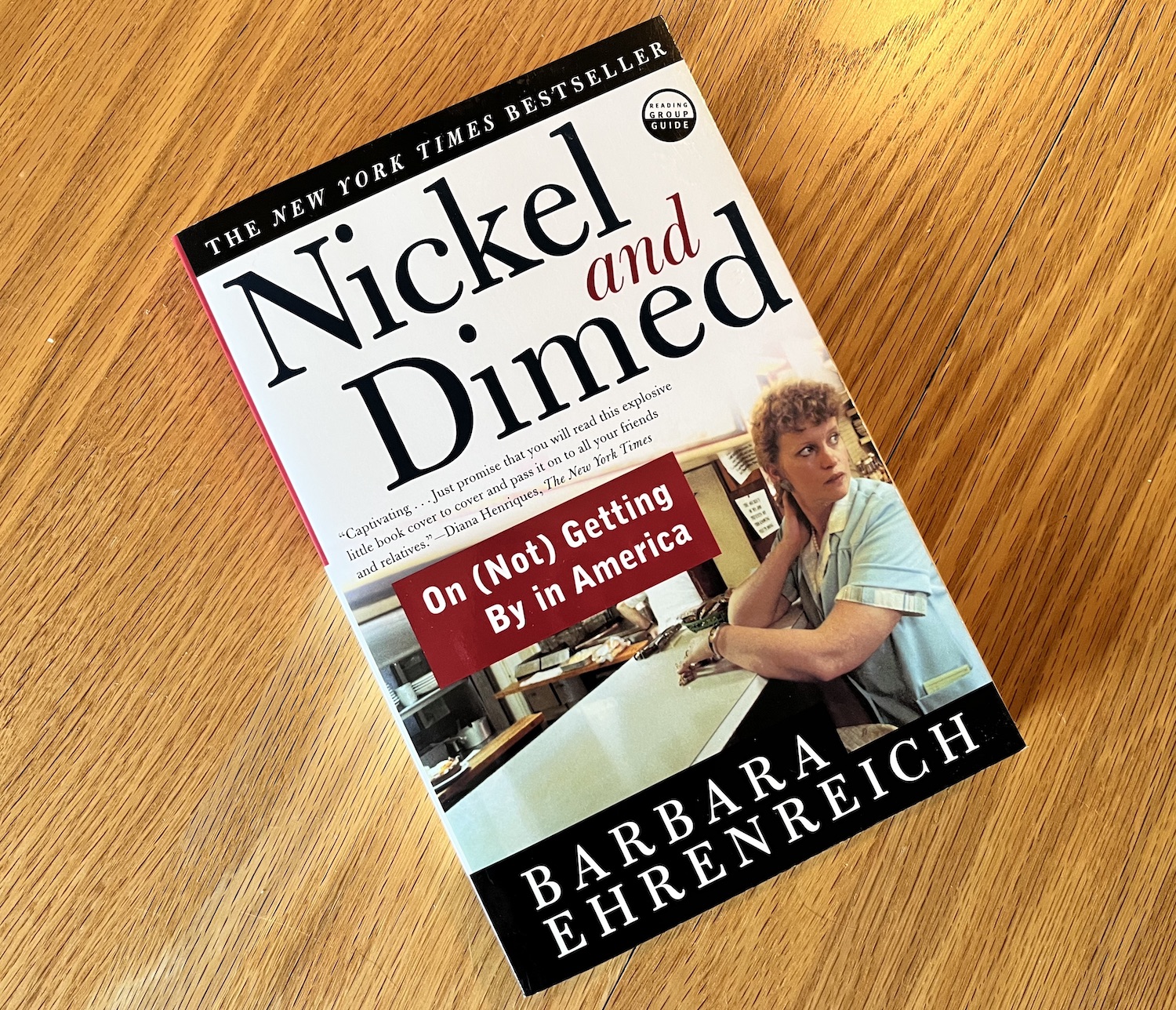
Barbara Ehrenreich, the journalist, activist, and author who never lost touch with her working-class roots, has clocked out. She was 81.

Her New York Times obit draws from the introduction to “Nickel and Dimed: On (Not) Getting By in America,” in which she recounts wondering with a magazine editor how the unskilled survive on the wages paid them and then blurting out something that she “had many opportunities to regret: ‘Someone ought to do the old-fashioned kind of journalism — you know, go out there and try it for themselves.'”

Which is exactly what Ehrenreich did, of course, working and living as a waitress, hotel maid, nursing-home aide, and Walmart “associate,” among other things. Then she came back and told us all about it.

And though she would be writing it up, she wasn’t phoning it in:

People knew me as a waitress, a cleaning person, a nursing home aide, or a retail clerk not because I acted like one but because that’s what I was, at least for the time I was with them. In every job, in every place I lived, the work absorbed all my energy and much of my intellect. I wasn’t kidding around. Even though I suspected from the start that the mathematics of wages and rents were working against me, I made a mighty effort to succeed.

She was not, and is not, alone. And in her Evaluation at the end of the book, Ehrenreich proposed that those of us who live in comfort while others barely scrape by should feel not just guilt, but shame.

When someone works for less pay than she can live on — when, for example, she goes hungry so that you can eat more cheaply and conveniently — then she has made a great sacrifice for you, she has made you a gift of some part of her abilities, her health, and her life.

What a gift was Ehrenreich’s life. Peace unto her, her family, friends, and readers.

More, late*

A little light and a lot more tunnel.

“Pandemic Deal by Congress Provides Economic Relief, for Now,” reports The New York Times.

But it’s too little, too late, and perhaps the last of Uncle Sammy’s pennies in the ol’ tin cup for a while, adds The Old Grey Hoor, in an analysis by Ben Casselman and Jim Tankersley.

The injection of money comes months too late for tens of thousands of failed businesses, however, and it may not be enough to sustain unemployed workers until the labor market rebounds. Moreover, it could be the last help from Washington the economy gets anytime soon.

Call me cynical, but I think we need some brighter bulbs on this job.

*Apologies to Chris in the Morning.