Author George Saunders is much in the news of late, chatting up the press in preparation for going on tour to promote his latest book, “Virgil,” due out later this month.
Speaking with The Guardian, Saunders said he was still trying to decide how to speak about politics when he hits the road. Preaching to the converted feels “a little too good, like it’s too much sugar,” he said, adding that while his nature is to seek peace, “that’s dangerous right now because I don’t want to be a peacemaker for this regime.”
I’m not a celebrated author, prepping for a book tour, or a Tibetan Buddhist. I blog irregularly and without distinction, the only tours I take are by Subaru, and the only thing I’m promoting is my own mental health. My devotion to Zen is sporadic at best.
But I sure dig where Saunders is coming from when he says The Work is the thing.
The one thing I’m doubling down on is: just keep making fictive worlds. Improve the quality of your thought, improve the quality of your compassion, by that sacramental exercise, then whatever you have to do you’ll be better equipped.
It reminds me of the Zen proverb, “Before enlightenment, chop wood, carry water. After enlightenment, chop wood, carry water.” Also, and too, of the Epistle of James, which goes, “For as the body without the spirit is dead, so faith without works is dead also.”
And I was pleasantly surprised to see Saunders prescribe a spoonful of sugar to help his medicine go down: “Also start weightlifting, build a machine-gun turret. …”
Sounds like the right sort of work for an old blogger short on faith as the reign of His Excremency Donald the Dozy barrels along unhindered. We’re running out of water to carry in the Southwest, and we don’t burn wood. But you never know when a buffed-up bod’ and a machine-gun turret are liable to come in handy.
Rooting around the Innertubes for some New Year’s recipes I was congratulating myself on picking a couple of winners, both from The New York Times Cooking section, which by itself is worth the price of a subscription.
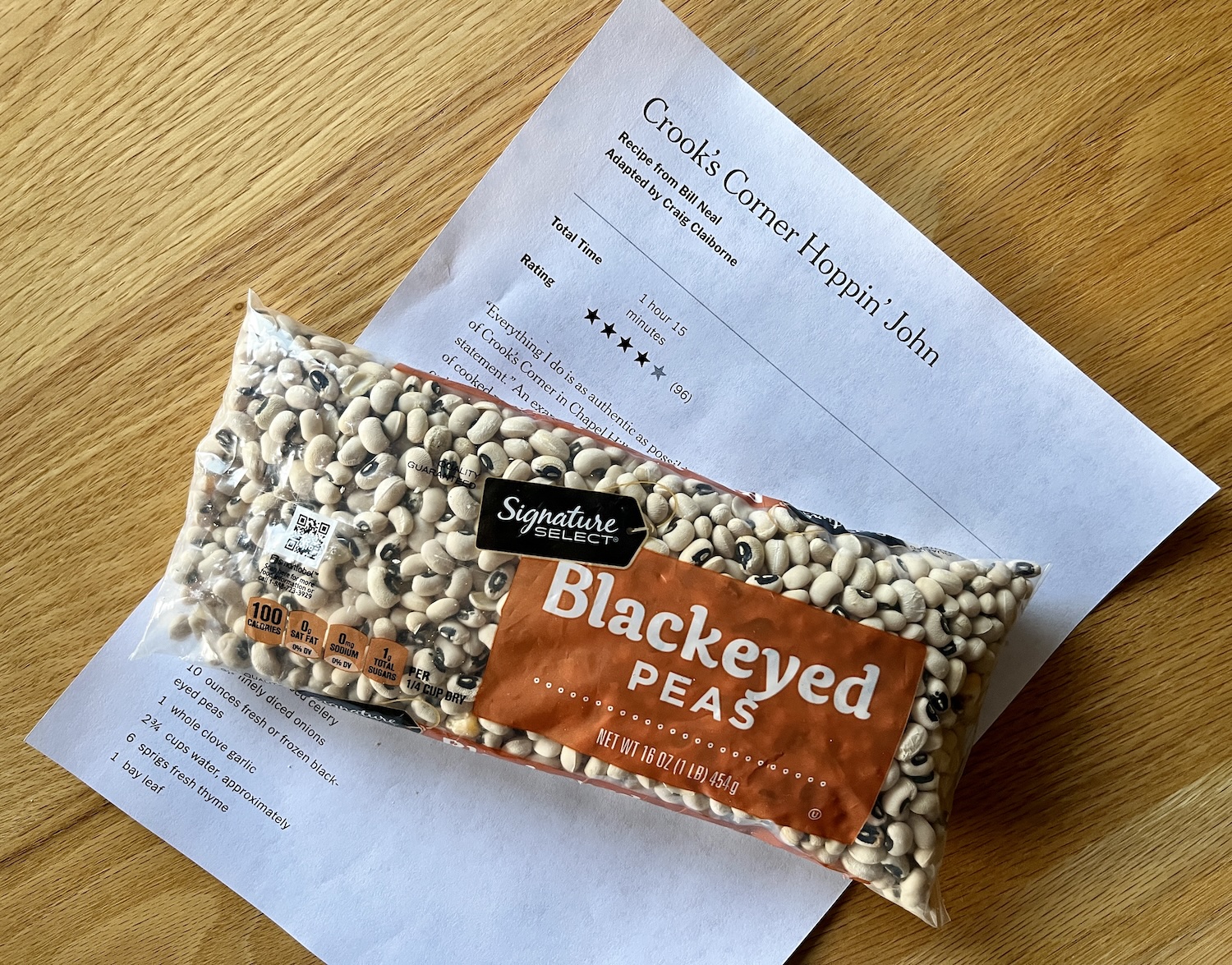
But when I crowed about this to Herself I found she’d beaten me to the punch. She’d already found her own recipe and acquired the ingredients for it, too.
Good thing I shot off my big bazoo before heading for the grocery. We’d have been eating Hoppin’ John and cornbread from New Year’s right through St. Patrick’s Day.
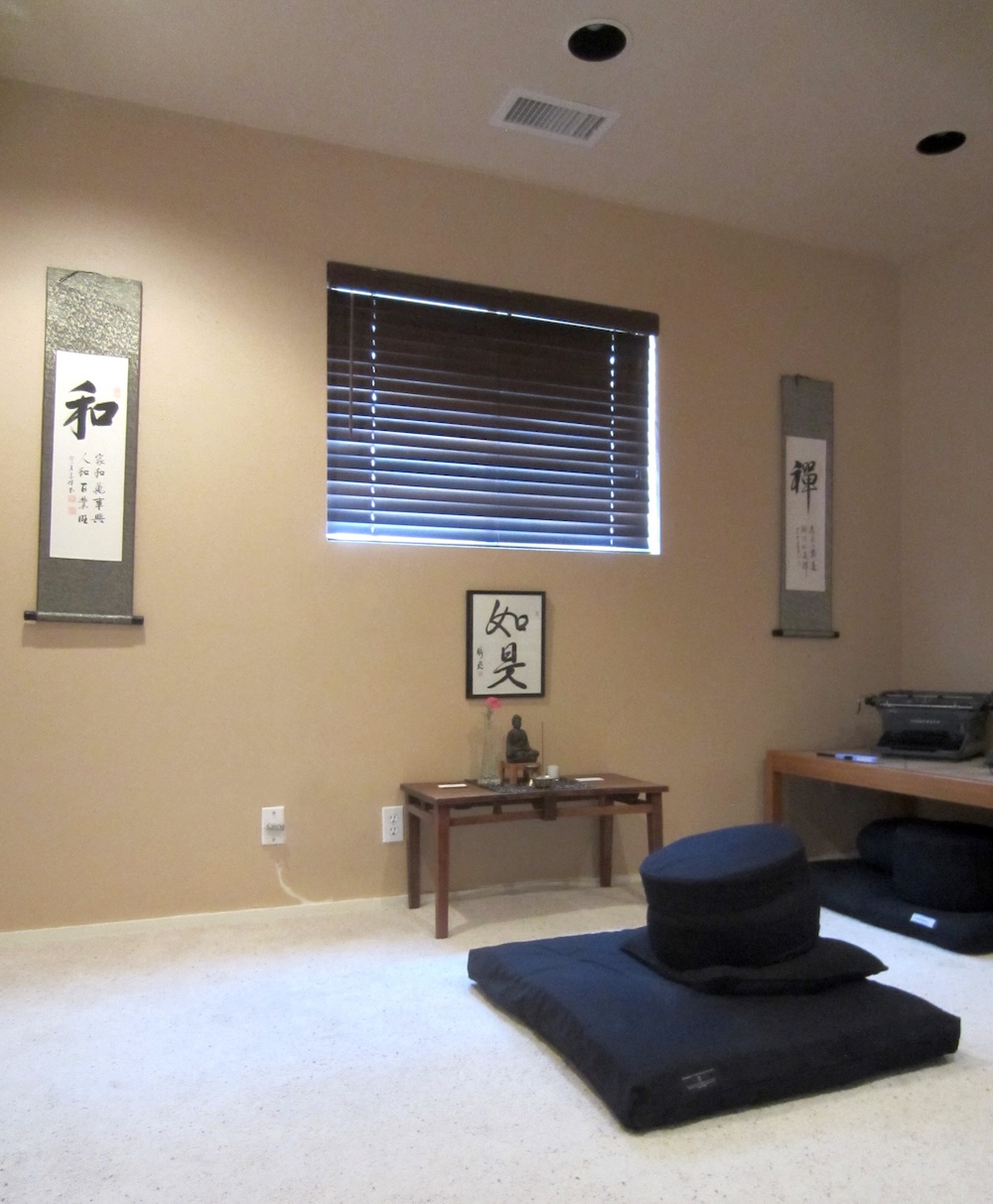
Meanwhile, I had to quickly re-establish my primacy as tenzo of this zendo. Facing an economy of scarcity — a lack of fresh red grapes, which I dice up for the morning oatmeal — I displayed my resourcefulness in the kitchen, or “skillful means,” as defined by the late poet-gourmand and Zen student Jim Harrison, by locating a wrinkled honeycrisp apple in the crisper and chopping that up instead. In your face! as the sage Dogen has taught us.
Jimbo hated oatmeal. But he’s dead and didn’t have to eat any of it.
The body may be at rest, but the mind wanders as it will.
Two songs have been getting heavy play on my cranial jukebox: “Katmandu,” by Bob Seger, and “Bodhisattva,” from Steely Dan.
The first, from 1975, ostensibly about salvation via relocation, is actually what Seger described as “an exasperated song” written near the end of a decade-long stretch “where I was going nowhere fast. … I still had some of that defeatist mentality and you can hear it in there.”
The second is a 1973 critique of cookie-cutter spiritualism and its related divestiture of worldly goods that co-writer Donald Fagen once summarized as: “Lure of East. Hubris of hippies. Quick fix.”
Thomas McGuane was scouting that territory even earlier, in his 1971 novel “The Bushwhacked Piano,” in which the peripatetic Nick Payne’s father tells his wayward son: “I just find the Rand McNally approach to self-discovery a little misguided. … My rather ordinary human response has been to resent having to go to work in the face of all that leisure.”
That these musical and literary ingredients are suddenly bubbling to the top of my consciousness, such as it is, may be a consequence of having just finished McGuane’s latest story collection, “A Wooded Shore,” in which a selection of the damned find themselves adrift in various fashions and locations, Dante’s Sea of Excrement being among the hot spots. “I’m a realist, you see,” says that particular voyager.
“Sure rings a bell these days,” as McGuane told The New York Times. On the mark as usual, Tommy me boyo.
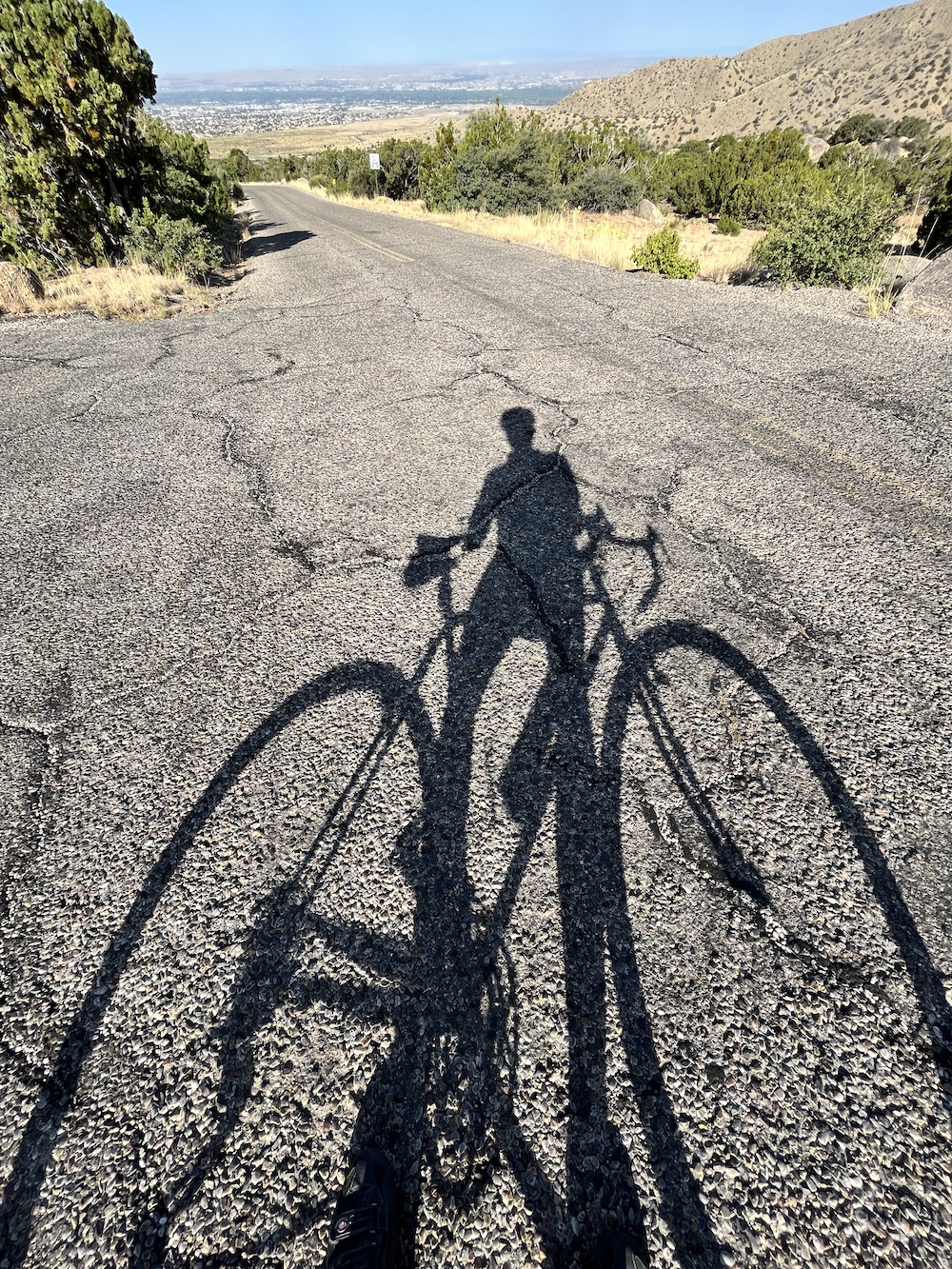
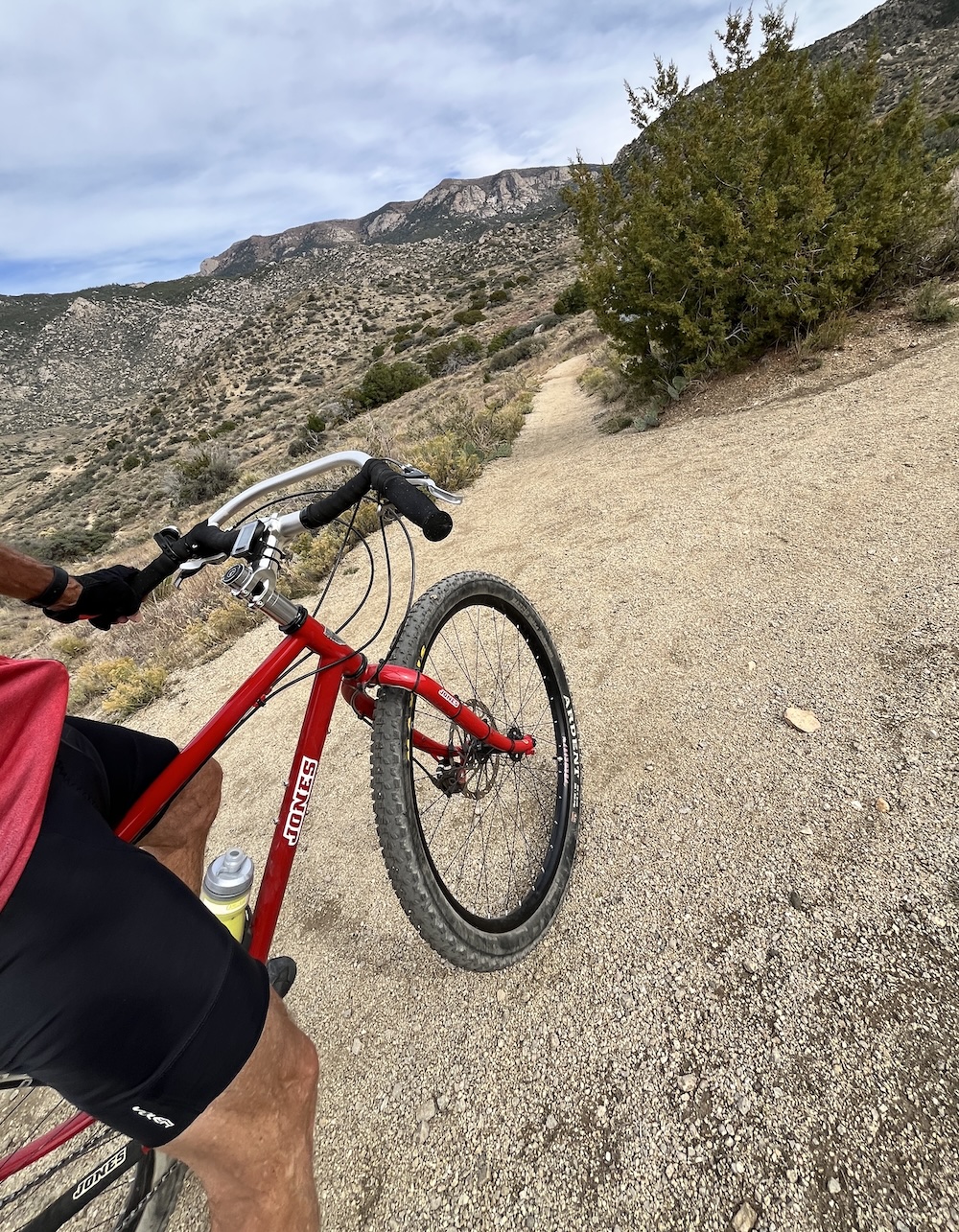
Or perhaps it’s that I’m rocking a streak of vivid dreams about bicycling in outlandish circumstances, perhaps as a reaction to getting myself locked into a small selection of predictable 20-milers, your basic hamster-wheel loops, for no good reason that I can think of beyond sloth and convenience. An assist from Rand McNally is not required for this sort of tour de meh. Trying to break the chain I recently took two rarely ridden bikes on short outings, one of them involving a few miles of singletrack I hadn’t ridden since January. I dabbed frequently and shamelessly.
I suppose it could just be that fall is upon us, and with it our local elections and the fabled “fall back,” slated for Sunday, Nov. 2. Oh, good, an extra hour of nightmares.
When swimming the Sea of Excrement, I recommend the backstroke.
On Saturday I was making breakfast and mulling over Ken Layne’s latest Desert Oracle podcast when I smelled something burning.
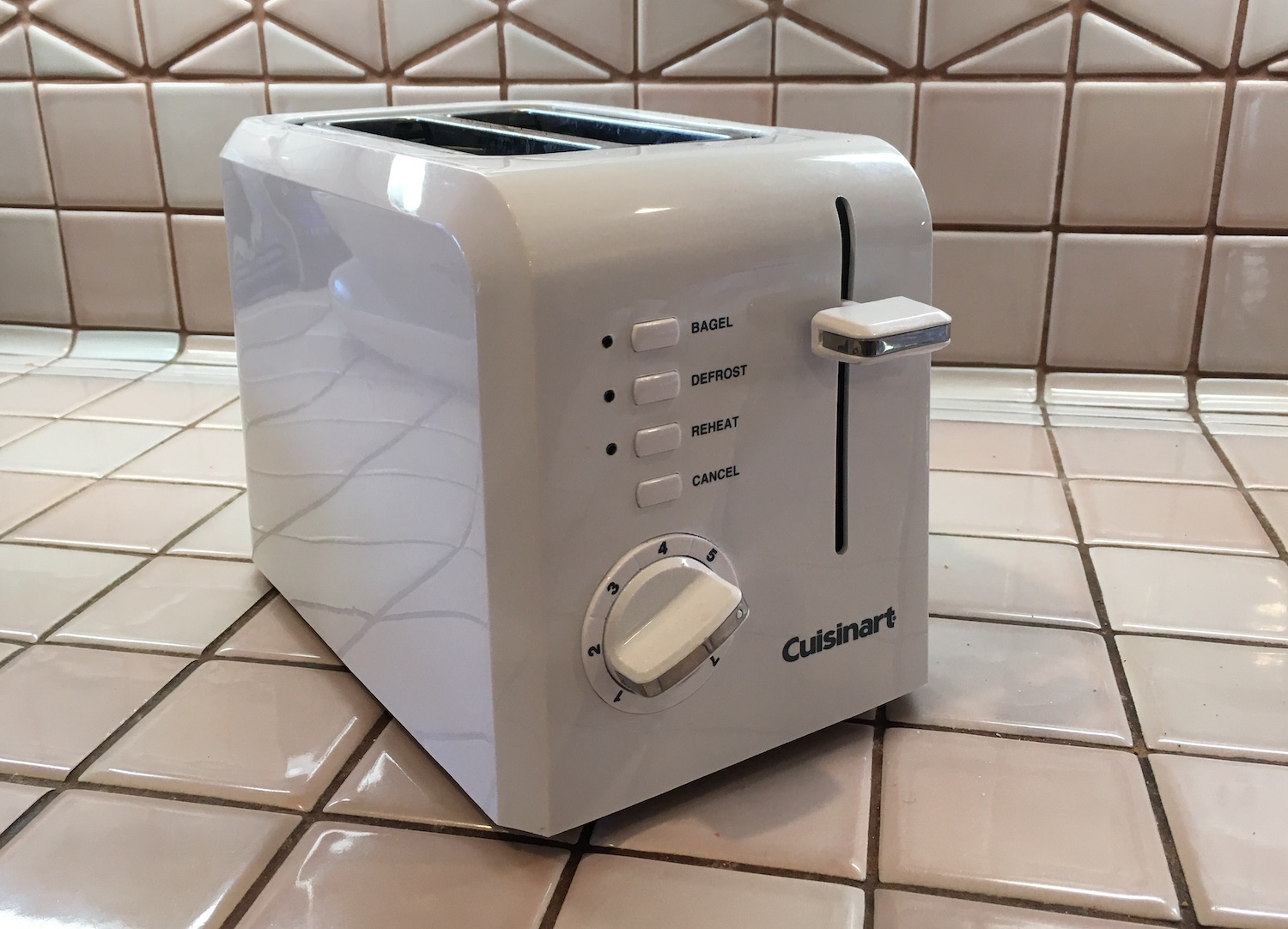
The Wirecutter boyos say you can’t buy a proper toaster anymore, whether you spend a lot or a little, and I believe them. If I don’t keep an eye on and make adjustments to this cheapo Cuisinart what I wind up with is either lightly dried bread or a blackened slab that looks like a smoking shake shingle from a lightning-fried cabin.
A little thing, to be sure. Hardly the foundation for a thumbsucker The New Yorker might buy. And never mind writing about it — simply thinking about it may be a red flag, or so posits the Desert Oracle:
If you don’t have any sense of mission or destiny, or religious faith, or really any sort of sustainable lifetime philosophy, then the small stuff is all you can think about. Because no matter where you are in life, at one time or another you are going to have all the usual problems: health, money, sorrow, disgust, anger, gum disease, athlete’s foot, too much house or none at all. Your dog either up and died or it’s neurotic and full of hate and will outlive you by decades. Everybody’s out to get you or nobody pays any attention at all. The entirety of modern technological society has brushed away and marginalized the personal practice of philosophy. So we lose the plot while we’re in it. It’s like one of those Disney “Star Wars” movies.
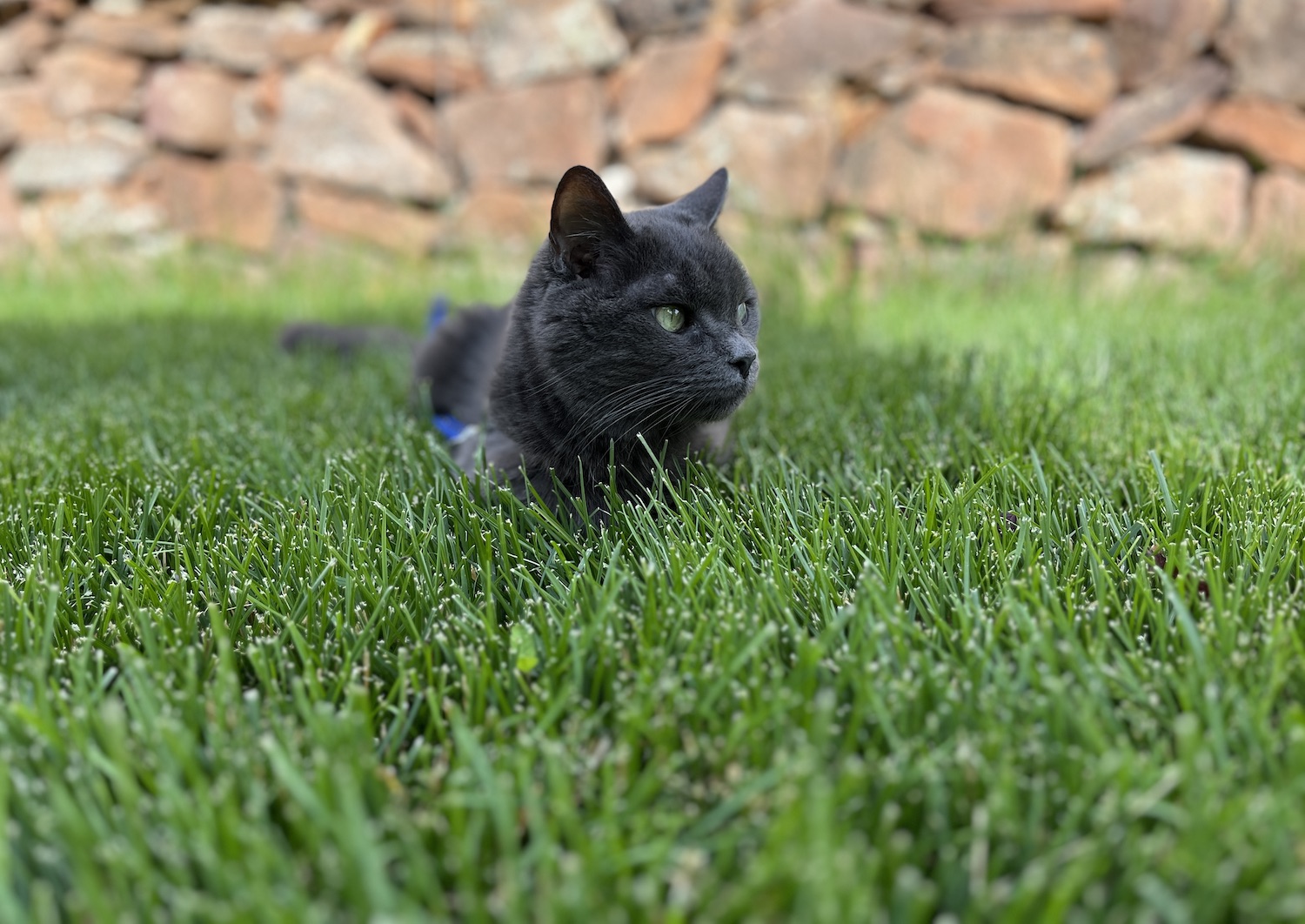
I’ve had all of these problems, except being outlived by dogs. And that rough beast is bound to come slouching around one of these days, because Herself wants one, even more than she wants properly toasted bread in the mornings, slathered with Irish butter and French spread.
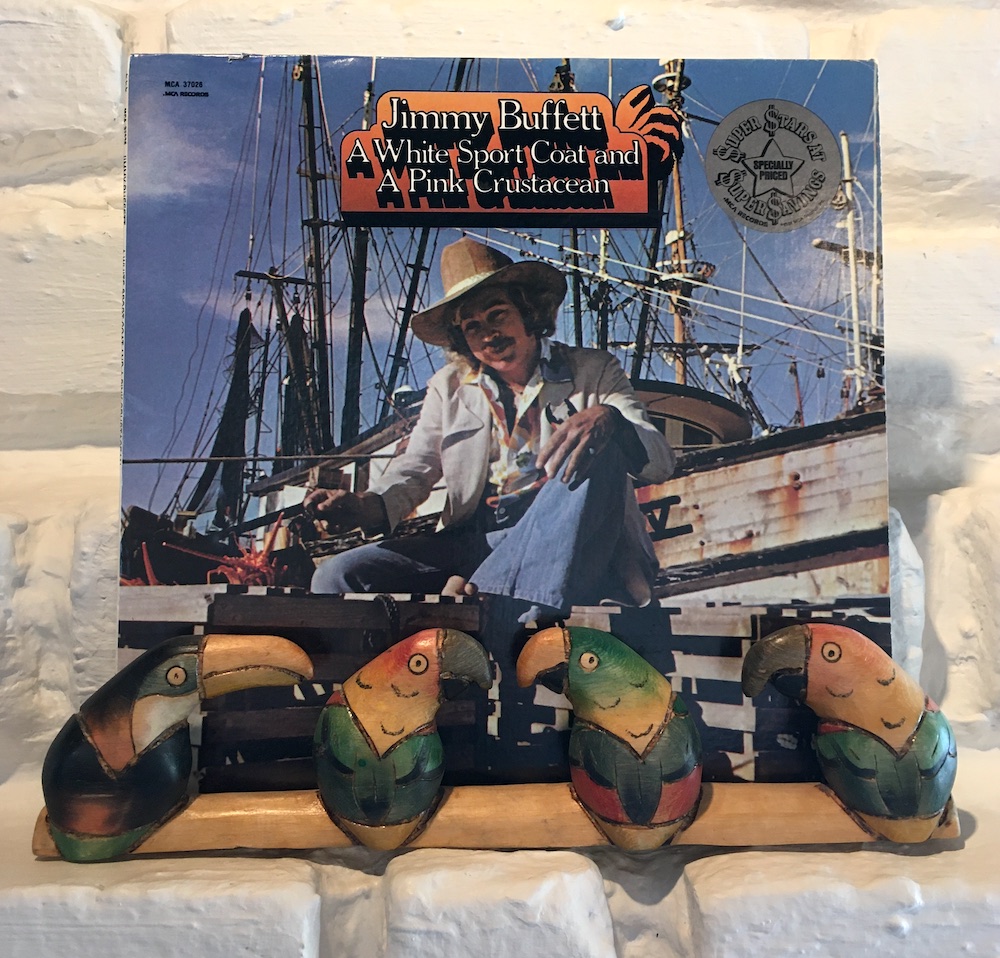
Maybe I should relocate to one of Jimmy Buffett’s Margaritaville-branded “active-living communities,” a paradise for Parrotheads, which is a philosophy of sorts, maybe even a religion.
That song and the rest of my best-of-Buffett list are from his 1973 breakout album, “A White Sport Coat and a Pink Crustacean,” which features, among others, Steve Goodman on acoustic lead guitar, Vassar Clements on fiddle, and Thomas McGuane on liner notes (“We are beset by the quack minstrels of a non-existent America, bayed at by the children of retired orthodontists about ‘hard times’ and just generally depleted by all the clown biographies and ersatz subject matter of the drugs-and-country insurgence that is replacing an earlier song mafia,” and if that isn’t vintage Captain Berserko I’m a Daytona Beach Realtor.).
The folks who live in Buffett’s beach-bum burgs out there in Disney country certainly seem to have a philosophy that works for them. In his New Yorker piece Nick Paumgarten quotes Stuart Schultz, Latitude Margaritaville’s head of residential community relations (and a former summer-camp director), as saying that living in a Margaritaville property is “like being in college, but with money and without having to study. You have a great dorm room, you never have to go to class, and there’s always a party.”
Hm. I dunno. An earlier version of me never went to class but took in many a party, so I feel like I’ve done my time in that dorm room. And like the toast from my Cuisinart I have the scorch marks to show for it.
It’d probably be smarter to stay put. Get a philosophy. And maybe a dog.
 Mad Blog Media