Getting wood in Weirdcliffe

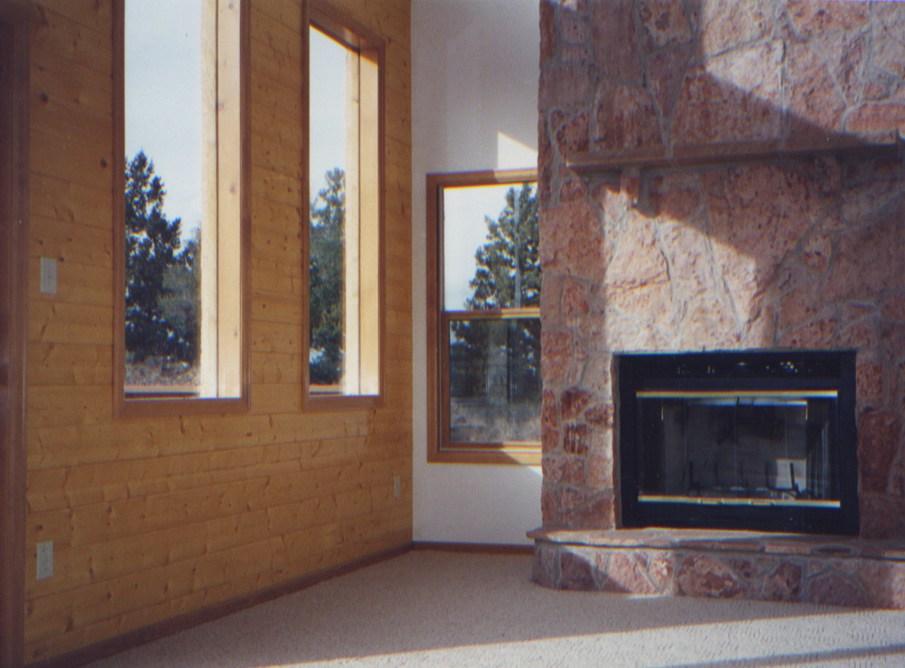
The fireplace in Weirdcliffe, before we installed a Lopi woodstove insert.

When Texas sank back into the Ice Age, I was reminded of the good old days on our wind-scoured rockpile outside Weirdcliffe, Colorado.

There, the power only went out whenever it was inconvenient. And it usually would stay off for an hour or two at minimum, which was the time it took for a utility guy from Cañon City to flip a switch somewhere.

We learned early on that not much works during winter at 8,800 feet in the ass-end of nowhere if you don’t have power. No water, no cooking, and most important, no heat.

I remembered the joys of a heat-free home from my stint in a 9×40 singlewide trailer in Greeley back in 1974. Its oil furnace was forever seizing up in the middle of a winter night, and there’s nothing that clarifies the mind for higher education quite as well as the backsplash from a frozen toilet when you get up at stupid-thirty to offload a sixer of the long-neck Falstaffs you enjoyed for dinner.
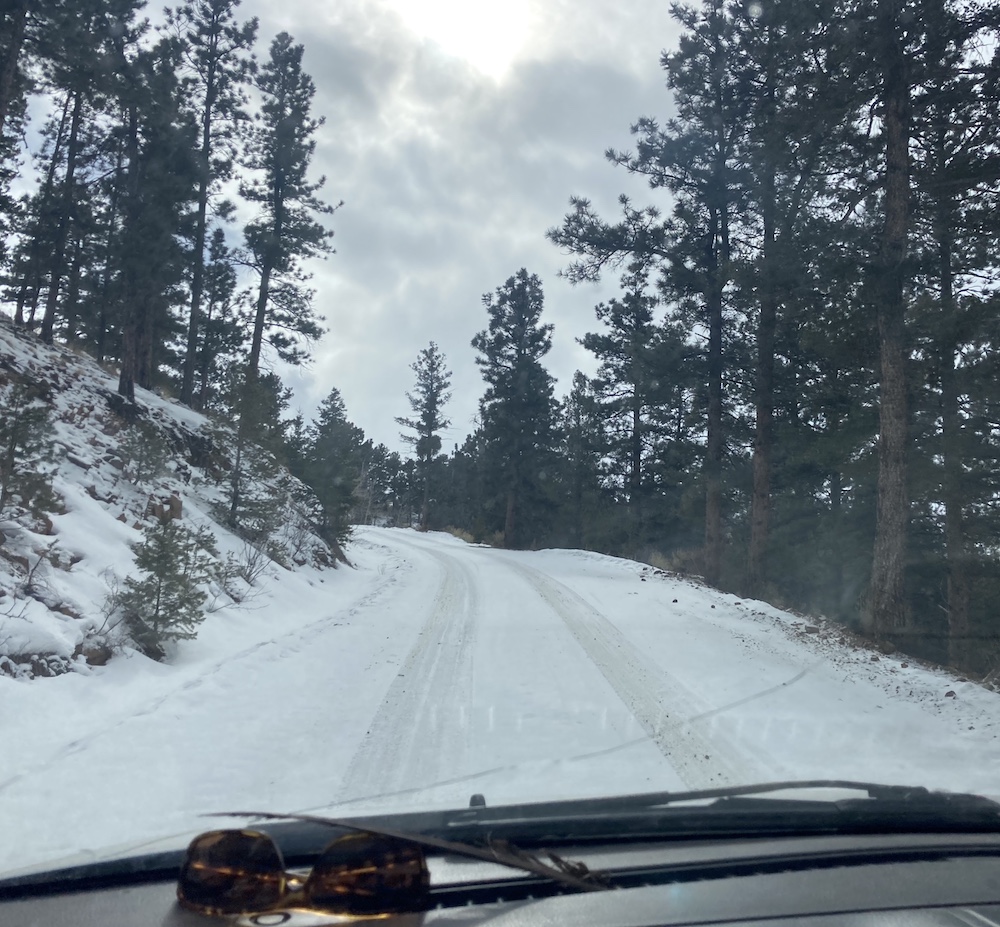
Our private road. I went backwards on this stretch in 4WD one evening. I wasn’t scared or nothin’, but somebody shit on my seat. | Photo: Hal Walter

So on our hillside, we kept ourselves prepared. There were canned goods and jerrycans of water in the hall closet, along with a Coleman two-burner and several 1-pound propane bottles for emergency cookery. And we had several candle lanterns and flashlights at the ready because this shit never happens in broad daylight on a weekday.

But the smartest thing we did was have a Lopi woodstove insert installed in our fireplace, along with buying a chainsaw and ax. When you heat with wood, it warms you twice — while you’re cutting it, and while you’re burning it.

And speaking of getting wood, yes, yes, yes, it’s time for the latest episode of Radio Free Dogpatch.

P L A Y    R A D I O    F R E E    D O G P A T C H

• Technical notes: I recorded this one in the Comedy Closet, using a Shure MV7 mic and Zoom H5 Handy Recorder. Editing was in Apple’s GarageBand, with a sonic bump from Auphonic. Music by Infernal Hound Sound; sound effects courtesy of Zapsplat. Special guest appearance by Shel Silverstein.

Pocket change

Pocket should’ve changed its name to Sherwin-Williams,
because they pretty much cover the Earth.

Another day, another acquisition. Pocket Outdoor Media has snatched up Outside, Peloton, and athleteReg, and will be rebranding itself as Outside.

Here’s the story from Axios. Bicycle Retailer and Industry News, a POM product, has its own story here.

Robin Thurston, chairman of the new Outside, is said to dream of building “the Amazon Prime of the active lifestyle: a connected, holistic ecosystem of resources — including content, experiences, utilities, community, commerce, education, and services — that can be customized for each active lifestyle enthusiast.”

He’s certainly proven himself capable of financing his vision. Is bigger better? Is there strength in numbers? Depends on who’s crunching them, I guess.

Vox clamantis in deserto

If you’re feeling the strain of a year spent sheltering in place, occasionally pulling on the mask(s) and nitrile gloves before carrying your 10-foot pole into the grocery store like Little John facing off with Robin Hood over the last sack of whole-wheat flour in Sherwood Forest, you’ll appreciate this week’s episode of Desert Oracle Radio, “Out of Our Holes.”

Ken Layne talks about the urge to join the coyotes on the night shift, the struggle to write in an age when the word has faded, and the joy of finally coming out of our holes to once again tell strange stories around the fire.

‘Nomadland’ is a work of art (van, go)

“Nomadland”: Buy the ticket, take the ride.

We watched “Nomadland” last night via Hulu, and the verdict is two thumbs up.

It’s art, not journalism; for the latter, you’ll want to read Jessica Bruder’s book. But some real people from those pages get to participate in the telling of their story, and the pros are going to have to up their game after they see how well the amateurs hit their marks and delivered their lines.

Frances McDormand was excellent, as always. Swear to God, I’d watch her read from the Oklahoma City Yellow Pages. David Strathairn, who I’ve seen only in a few things (“Home for the Holidays,” “Good Night, and Good Luck,” and three episodes of “The Sopranos”), kept it dialed way down low as a kinda-sorta love interest with one foot in a van and the other in a house not his own.

The film is less about a new breed of migratory worker — older people who discovered too late that their nest eggs were actually stones, and then set about making stone soup — and more about a woman who thinks she maybe spent too much of her life “just remembering.”

It’s beautifully acted, shot and scored, neither glamorizes nor trivializes its subjects, and leaves you wondering just who is it that’s sleeping in that battered old Econoline in the big-box parking lot, where they’ve been and where they’re going, and what their dreams might be.

Can it happen here?

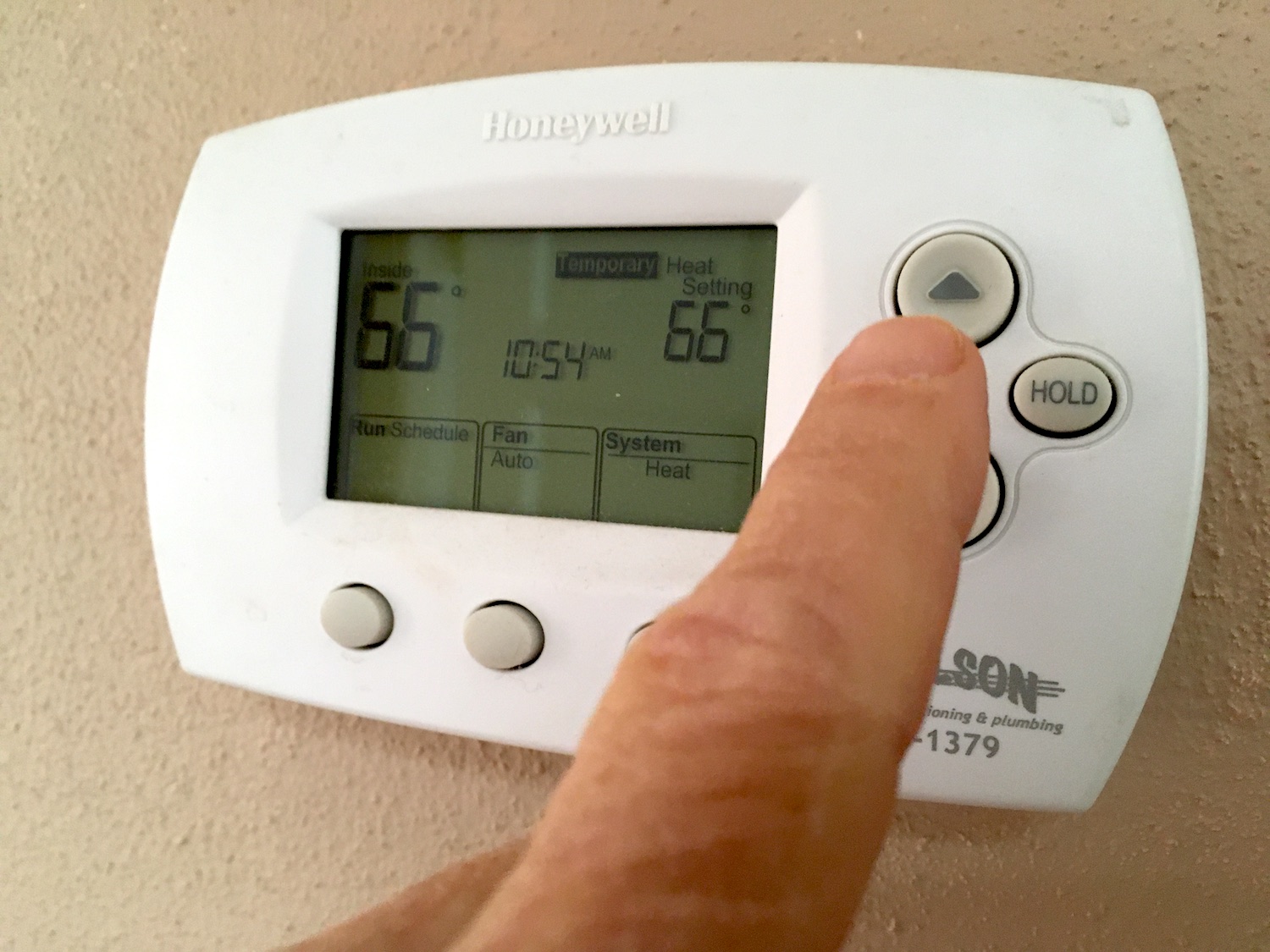
Punch a button, the heat comes on. Magic!

Here’s a story that every daily newspaper should be running as of, oh, day before yesterday.

Is your state’s power grid in shape for a Texas-size storm? Do you even know where or how your state gets its power?

I sure don’t. Lucky for me there’s this magic button on the wall, and when I press it, zoom, I control the weather! Inside the house, anyway, and only if nothing goes wrong outside it.

Here’s a New York Times story from last fall breaking down how making electricity has changed over the past two decades. Regarding New Mexico, it reports:

Coal has been New Mexico’s primary source of electricity generation for nearly two decades. But coal-fired power has declined since 2004 in response to tougher air quality regulations, cheaper natural gas, and California’s decision in 2014 to stop purchasing electricity generated from coal in neighboring states.

Natural gas, wind and solar accounted for a little more than half of the electricity produced in New Mexico last year, up from just 15 percent two decades earlier. In 2019, the state legislature passed a law requiring utilities to get 50 percent of the electricity they sell from renewable sources by 2030, rising to 100 percent by 2045.

According to [the U.S. Energy Information Administration], New Mexico has among the highest potential for solar power in the country. The state also sends a significant amount of electricity to California, which has long set aggressive renewable energy goals.