The weather wizards were talking a double-digit possibility of a sprinkle yesterday. But talk don’t water the cacti, son! What we got was nada, and plenty of it.
Our Acu-Rite widget claims we last got precip’ on March 30, a whopping 0.14 inch, but I don’t remember that. My training log mentions rain on March 22, and after that, bupkis.
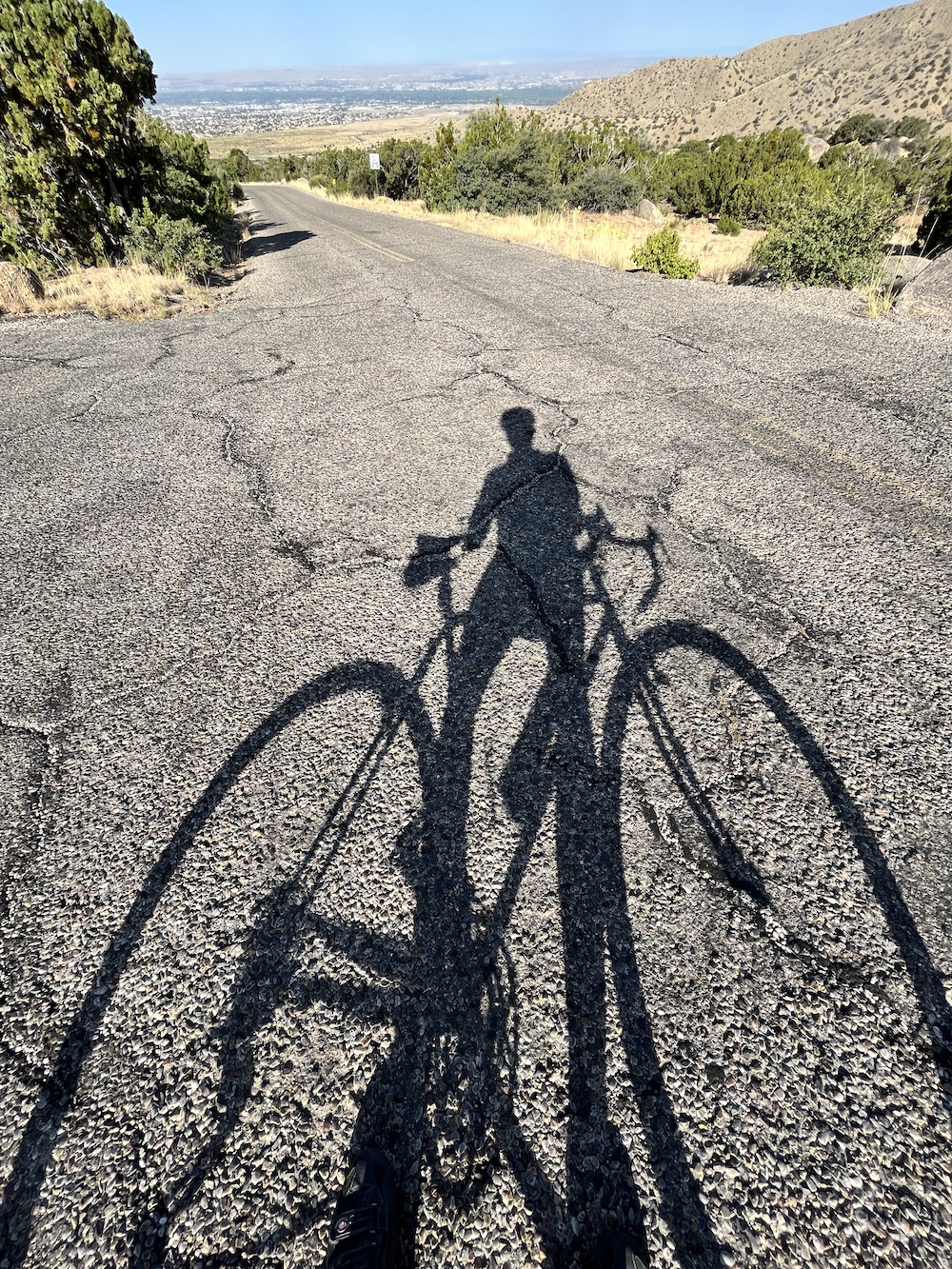
Riding my bike to a meeting with folks trying to figure out how to cope with climate change seemed appropriate signaling, but mainly bikes are fun, as my friend Charlie likes to say, and I pretty much ride mine everywhere I can.
After the meeting, I took the long way home, which involved a dirt trail through the riverside woods along Albuquerque’s reach of the Rio Grande. It was shady and cool on a hot afternoon, but the glimpses of the river were painful. Sometime around midday flow dropped below 300 cubic feet per second, which probably means nothing to most everyone, so I’ll put it this way – it’s just a hair above one tenth of the normal flow for this time of year.
Yow.
Southern California is restricting water use for 6 million people, and I would not be surprised to see our local water coppers taking measures before much longer. I’ve spotted a flotilla of Albuquerque-Bernalillo Water Utiility Authority vehicles cruising the Foothills lately, and they can’t all be meter readers.
Even Arizona is contemplating a “new normal,” though the last I looked the thinking was running very far afield indeed, from desalinization projects in Mexico to pumping water from the Mississippi Basin rather than restricting use of a diminishing supply.
Meanwhile, as the wind blows and the temperature rises, while the swamp coolers begin to bubble and air conditioners to whir, the power grid seems to be a few watts shy of the load.
Phrases like “rolling outages” and “worst-case scenarios” are getting tossed around as neighboring grids find they have no spare power to share and the aforementioned shortage of our old pal water threatens hydroelectric generation. And the buck stops … uh, where, exactly?
“The problem is there is nobody in charge,” said M. Granger Morgan, a professor of engineering at Carnegie Mellon University. The national power grid, he said, is a patchwork of regional systems designed to be guided by market demand in each area. Federal regulators have limited authority over it, and many states have constrained their own power to manage energy resources as part of a deregulation push that took hold in the 1990s.
“We don’t have the national regulatory arrangements and incentives in place to implement this energy transition in a coherent and rapid-enough manner,” Morgan said.
Oh, good. For a second there I thought we might be in trouble.
Tezcatlipoca, God of the Night Wind, was in something of a mood as we hit the sack last eventide.
The sonofabitch spent the night roaring and rumbling, tipping things over, and generally acting the fool. The power blipped on and off a half-dozen times before I finally toppled into a restless sleep marred by inexplicable dreams.
In one I was outside somewhere with the rest of the bums as Tom Waits sat at a nearby café, trying to compose an opera based on his song “Misery is the River of the World.”
When I moseyed on over to his table and suggested that “Ruby’s Arms” might make a better foundation, Waits snickered and replied to the effect that I must’ve fallen in love with the first girl to kiss me somewhere other than the cheek.
When I wandered back to the bums one of them was gnawing on a sandwich I had scrounged. Let your attention drift for a second and someone will be eating your lunch, swear to God.
Elsewhere other deities were on the job. Coyote took a snowy shit on Colorado, because he thought it would be funny to lay 10 inches of snow on the place right after a 90-degree day. And Xiuhtecuhtli is still torching everything flammable in New Mexico because … well, it’s anybody’s guess. Perhaps he’s croaking the tourist season to punish the pochteca merchant class for sniveling about a dearth of eager employees while refusing to pay a living wage.
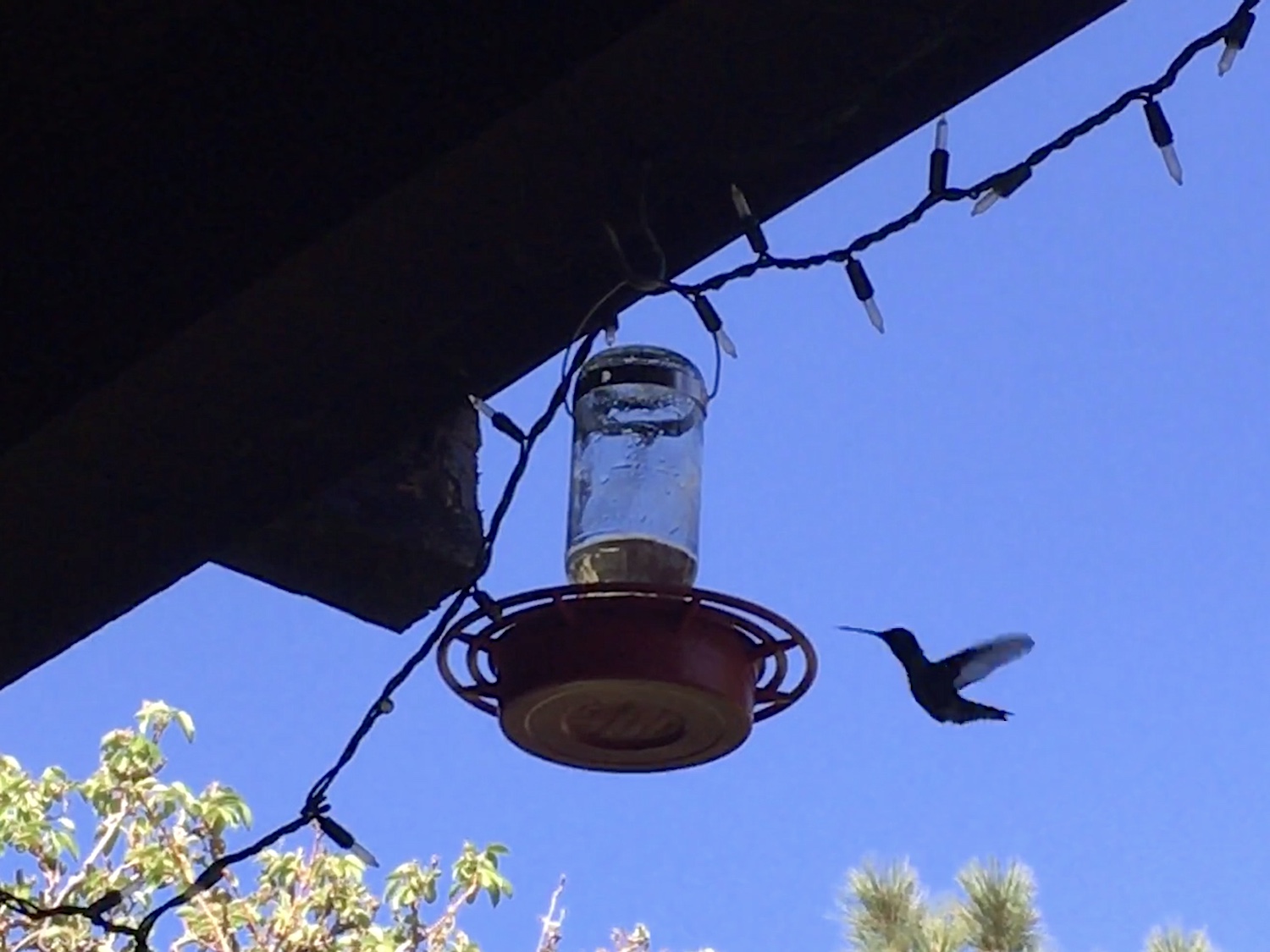
The hummers and quail are lightening the mood around here.
The hummingbirds are back. And this looks just like an Audubon photo of one, the same way I look just like Jason Statham if you see me backlit at sunset, from the other side of a four-lane street with a sizable median. It’s possible that you left your specs in the pub after a half-dozen boilermakers, a vicious beating, and perhaps a stroke.
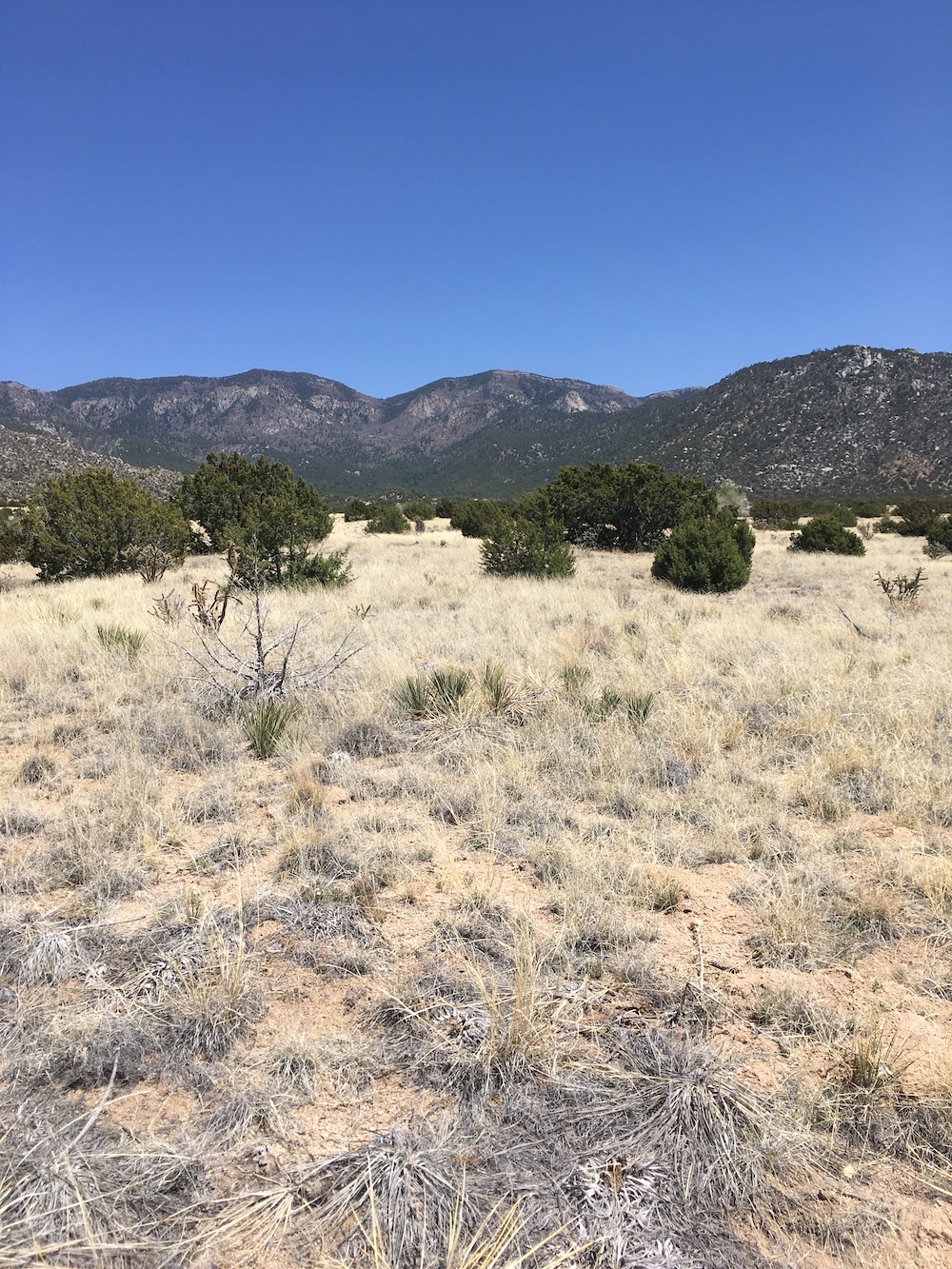
The grasses in Elena Gallegos Open Space are an ominous shade of tan.
It’s been a quiet week around El Rancho Pendejo. Herself just got her second Plague-B-Gon booster and is recovering nicely after enduring a sore arm and some drowsiness.
As for Your Humble Narrator, despite relentless seasonal allergies exacerbated by smoke-laden afternoon breezes I found the weather stellar for cycling. Actual tan lines are in evidence. I managed 105 miles last week and would be on track to repeat that this week if I hadn’t veered off road three times, twice on the bike and once on foot.
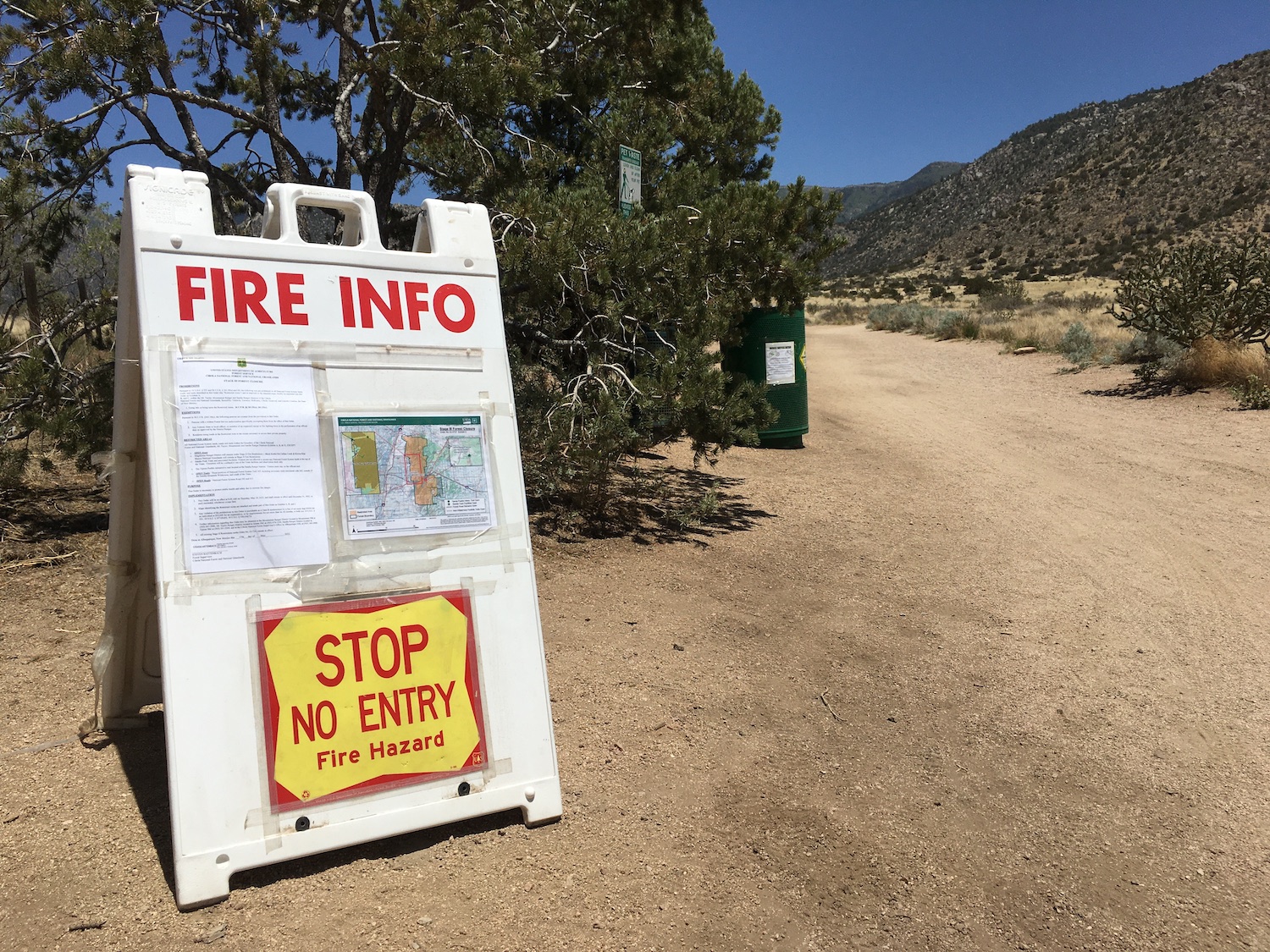
When riding trail I strive mightily to avoid nicking any trailside rocks with a pedal. One good spark in these dry, windy conditions and we’ll be grabbing the go-bags and cat carrier and hightailing it for … for … for where? Is there anyplace that isn’t on fire and/or out of water?
I’ve seen it twice now, at the NPR website and in the AARP Bulletin, so it must be true: Allergy season is getting worse.
(I’ve also seen it in our Kleenex consumption, if you’re looking for empirical evidence.)
The gist of it is that warmer temperatures mean your sneezing starts earlier in the spring and lasts longer come fall. And the hotter the climate, the bigger the pollen output.
“This is another unintended consequence of climate change that hasn’t been explored that much,” says Allison Steiner, a professor of atmospheric sciences at the University of Michigan and an author of the study. “It has a big impact on human health.”
Warmer and drier also means more fires, and we have several going on at the moment, the worst of them down at Ruidoso. The McBride Fire has taken more than 200 homes and at least two lives, and thousands are under evacuation orders. There was zero containment as of last night.
“But it’s not even fire season yet!” you exclaim. You’re looking at last year’s calendar, Hoss.
 Mad Blog Media