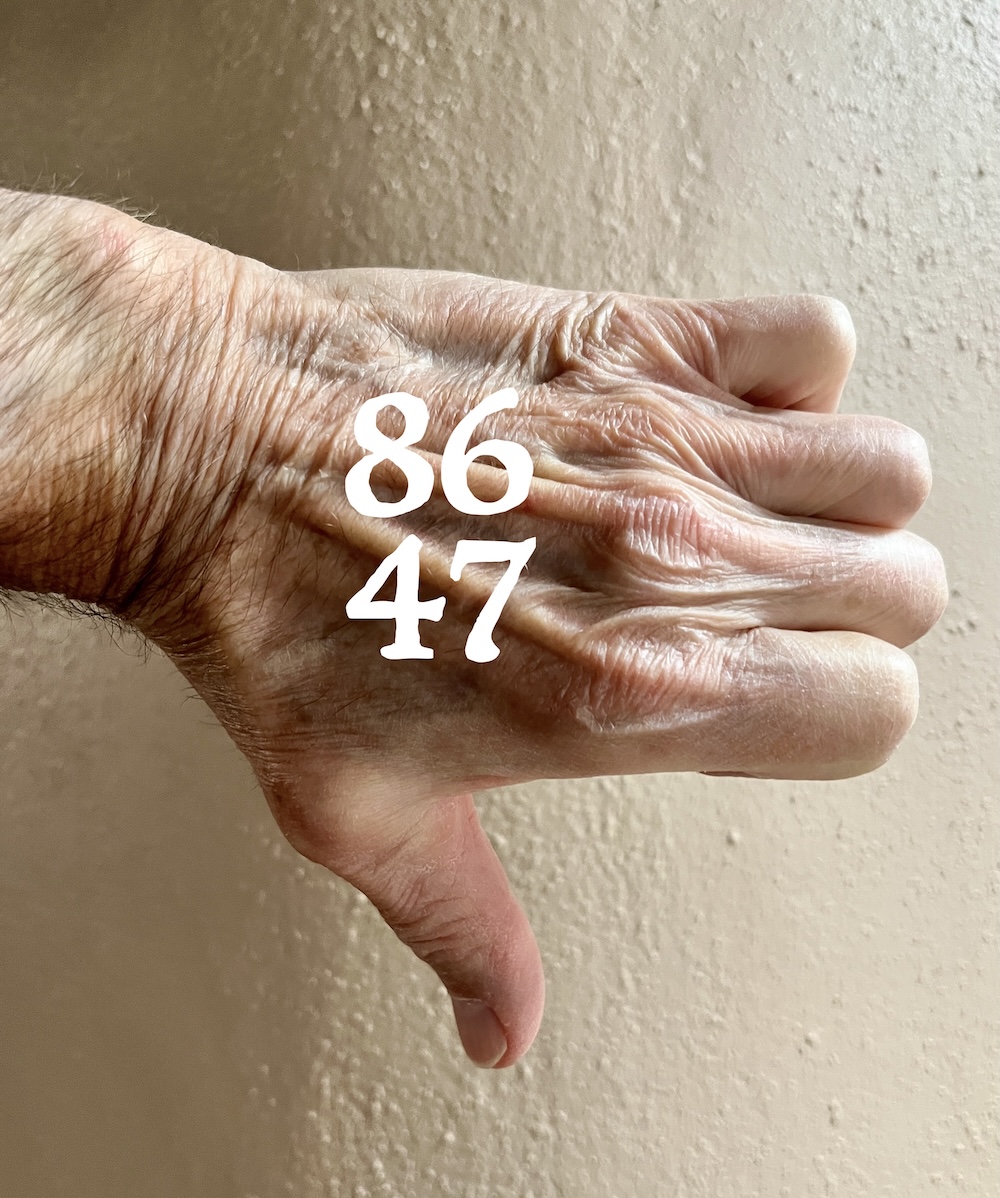

Eagle-eyed

Ho, ho. Robinson Meyer at The Atlantic examines NPR’s new “Morning Edition” theme and finds it wanting.
He’s not the only one. Composer Timo Andres and jazz singer Theo Bleckmann had thoughts as well.
“For me, it was so reminiscent of childhood, of car rides to school,” Andres told me later of the old theme. “Even though, objectively, it sounds like an artifact from a universe where Steely Dan was co-opted into writing state-propaganda music.”
The new theme, meanwhile, was summarized more pithily by Bleckmann. “Yeah, it sucks,” he said.
Ouch.
But what do you expect when you commission a committee to compose your theme song?
Robert A. Heinlein was wrong about a lot of things, but he was right on target when he noted that a committee was “a life form with six or more legs and no brain.”
And yeah, the new theme: It sucks.
And now, for something completely different. …
If you thought Sunday’s epic battle between the dead and living seemed a little, well, dark, even for “Game of Thrones,” you’re not alone. But before you dash out to buy a new TV, attend ye to the wisdom of Maester Devin Coldewey at TechCrunch (h/t Jason Snell at Six Colors).
Speaking of the walking dead, Matthew Butterick (h/t John Gruber at Daring Fireball) has a few words to say over the lumbering carcasses of the typographical foot soldiers employed so far by the Democratic candidates for president. The lede? It kills:
“You cannot bore people into buying your product,” according to David Ogilvy. So true. Nevertheless, election season arrives, and radical boredom inevitably becomes the preferred strategy for most candidates. Let’s have a look at the typography anyhow.
And yes, today’s headline is drawn from William Blake via Aldous Huxley and Jim Morrison.
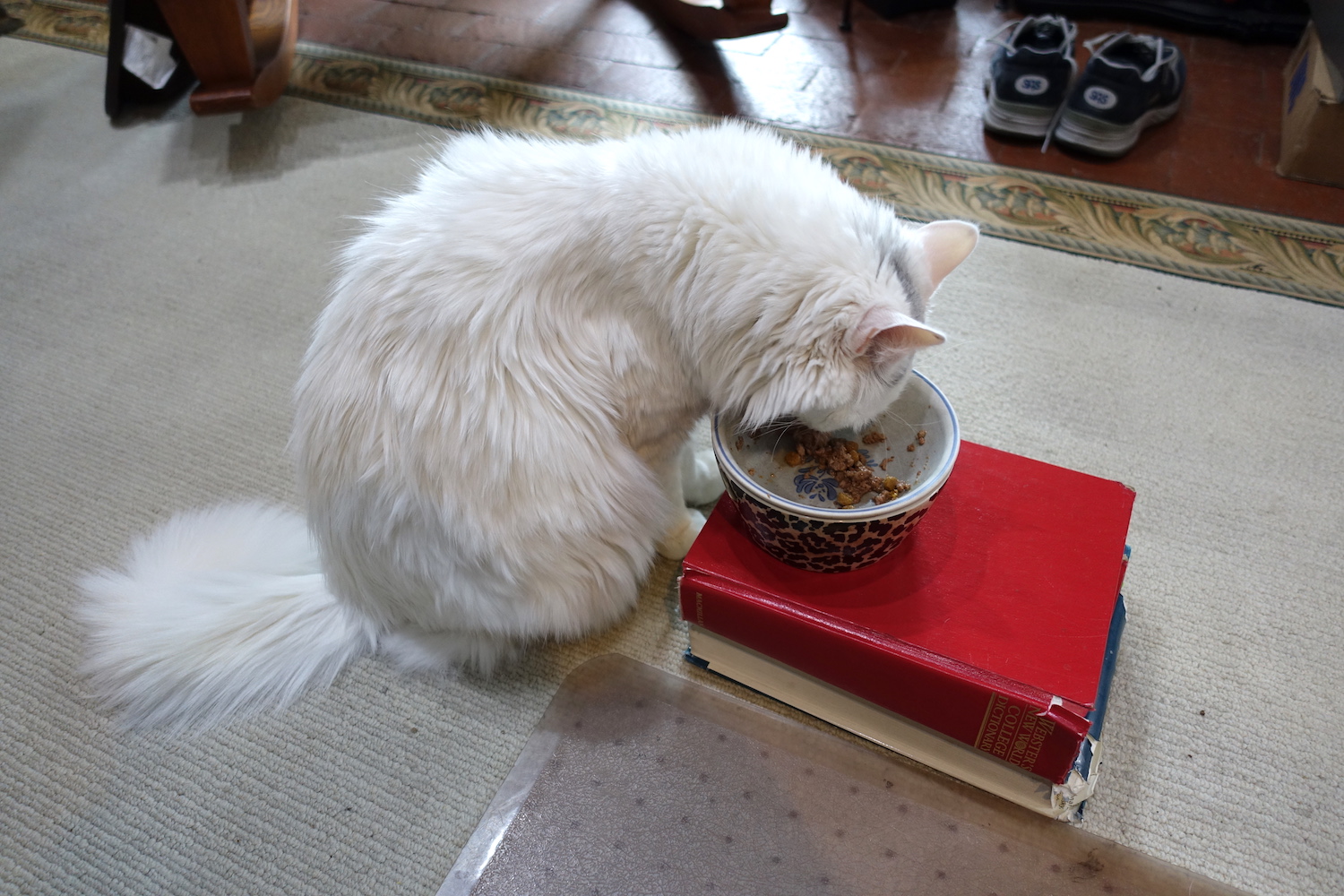
Neither I nor Field Marshal Turkish von Turkenstein (commander, 1st Feline Home Defense Regiment) was invited to the 2019 American Copy Editors Society conference this past weekend in Providence, R.I.
Of course, I only edit myself these days. And having spent a dozen or so years hanging out with copy editors for a paycheck, I don’t regret missing a chance to hang out with them on my own dime.
But the Turk found the slight particularly galling, since like any good deskman he lives for The Craft, even taking his meals in the office, from a bowl that sits atop tattered copies of Webster’s New World College Dictionary and Bartlett’s Familiar Quotations.
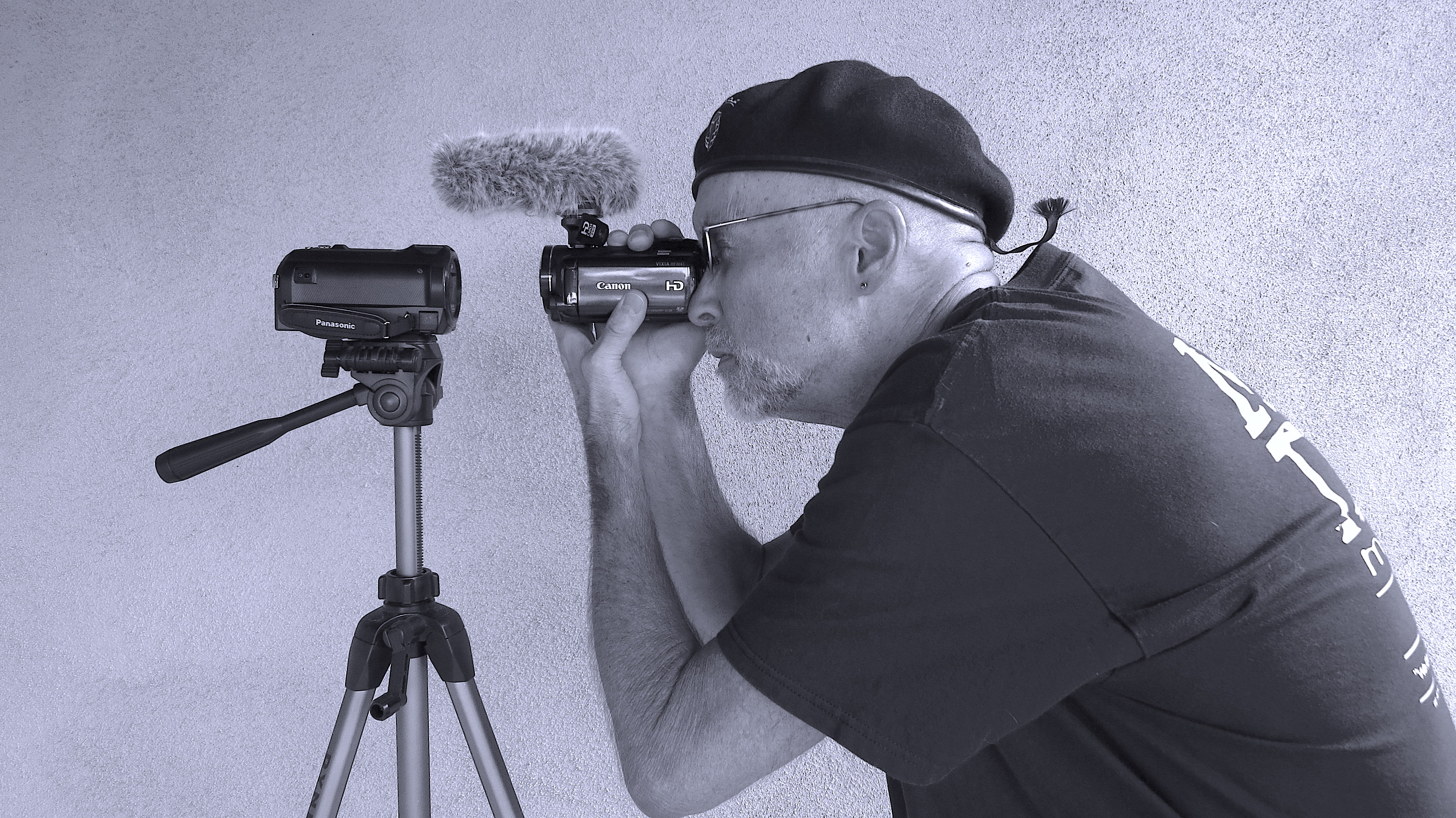
Well, I see there’s still space on my shelf for that Oscar. Also, for the Emmy, Reuben, Pulitzer, Peabody, MacArthur Fellowship, Nobel, etc., et al., and so on and so forth.
I’ve seen just one of the Academy’s picks — “Black Panther,” which like “Wonder Woman” drew raves but to me seemed like just another superhero movie. As a comics fiend I appreciated that genre for a while, but I’m finally over it. You can paint it black or pink, but it’s still basically what Herself calls “punch porn.” Another franchise, like Mickey D’s, with about as much nutritional value.
Now, TV, that’s the thing. There’s some great stuff happening on the small screen, which these days seems bigger than the one down at the multiplex. A favorite around here is “High Maintenance.” On the surface, it’s about a bicycling weed dealer and his clientele, but there’s plenty of depth to the thing. It’s like peeking into random windows as you stroll down an unfamiliar street.
Still, there are some movies worth watching. And one of them has its roots in a TV show. We checked out the 2018 documentary “Won’t You Be My Neighbor?” this weekend and it was surprisingly revelatory and touching.
I wasn’t a “Mister Rogers’ Neighborhood” kid. “Captain Kangaroo” was my guy. I knew Mister Rogers primarily through the various sendups on “Saturday Night Live,” National Lampoon’s “That’s Not Funny, That’s Sick,” etc.
But Fred Rogers comes off looking like much more than a punchline — he seems like a thoughtful gent whose own childhood was not all that rosy and who came to believe that children’s TV had a higher calling than selling toys.

